
Shale shakers are the primary and arguably most critical solids control equipment in offshore drilling operations. Their function is to separate drill cuttings from the drilling fluid, or mud, using high-frequency vibration. Efficient shale shaker application directly impacts the entire drilling process, safeguarding downstream equipment, maintaining mud properties, and ensuring environmental compliance. In the challenging offshore environment, where space is limited and operational costs are exceptionally high, the reliability and performance of shale shakers are paramount to project safety and economic viability.
The Critical Role in Offshore Drilling
Offshore platforms and rigs operate under severe constraints. Space is at a premium, and every piece of equipment must justify its footprint. Shale shakers serve as the first line of defense in the solids control hierarchy. By removing large, coarse drill cuttings at the flow line, they protect finer separation equipment like desanders, desilters, and centrifuges from being overloaded. This multi-stage purification is essential for reusing expensive drilling fluid, which cools and lubricates the drill bit, carries cuttings to the surface, and maintains wellbore stability. A failure in the shale shaker application can lead to a rapid degradation of mud quality, increasing the risk of stuck pipe, well control issues, and significant non-productive time.
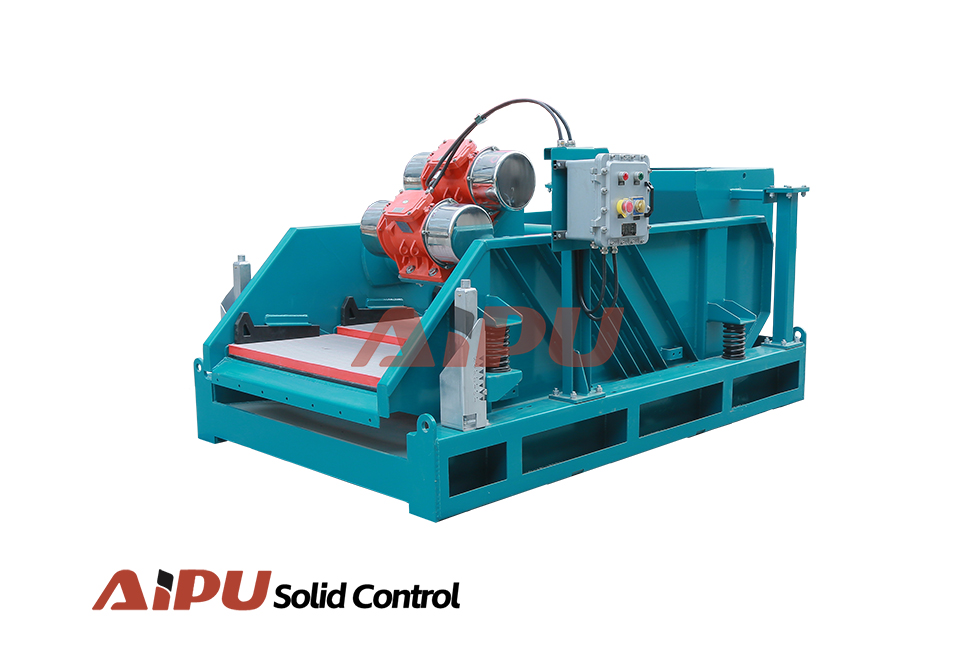

Key Features for Harsh Marine Environments
Not all shale shakers are suited for offshore energy projects. The equipment must be engineered to withstand constant vibration, corrosive saltwater atmosphere, and limited maintenance windows. Robust construction with marine-grade coatings is essential to prevent corrosion. High-G linear motion or balanced elliptical motion screens provide superior solids conveyance and fluid handling capacity, crucial for high penetration rates. Furthermore, modern shakers feature hypothetical quick-screen change mechanisms and enclosed designs to minimize fluid loss and improve safety by reducing personnel exposure to mud and cuttings. Efficient solids discharge is also critical to prevent backflow and maintain a clean, safe working area on the rig floor.
Enhancing Efficiency and Reducing Environmental Footprint
Optimizing shale shaker application goes beyond mere equipment selection. It involves selecting the correct screen mesh for the formation being drilled and the mud properties. Proper screen selection maximizes solids removal while minimizing valuable liquid loss. This efficiency directly translates to reduced waste volumes. Offshore projects are subject to stringent environmental regulations regarding drill cuttings and waste fluid disposal. By effectively removing solids at the source, high-performance shale shakers significantly reduce the volume of waste requiring processing, transport, and disposal, thereby lowering both environmental impact and operational costs.
For offshore operators seeking reliable and high-performance solids control solutions, partnering with an experienced manufacturer is key. Aipu stands out as a trusted provider of advanced solids control equipment, including shale shakers built for the demanding conditions of offshore energy projects. Their commitment to innovation, durability, and customer support ensures that drilling operations can achieve optimal efficiency and environmental compliance.
If you are interested in our solid control equipment and systems, you can contact us through info@aipusolidcontrol.com Contact Us
