
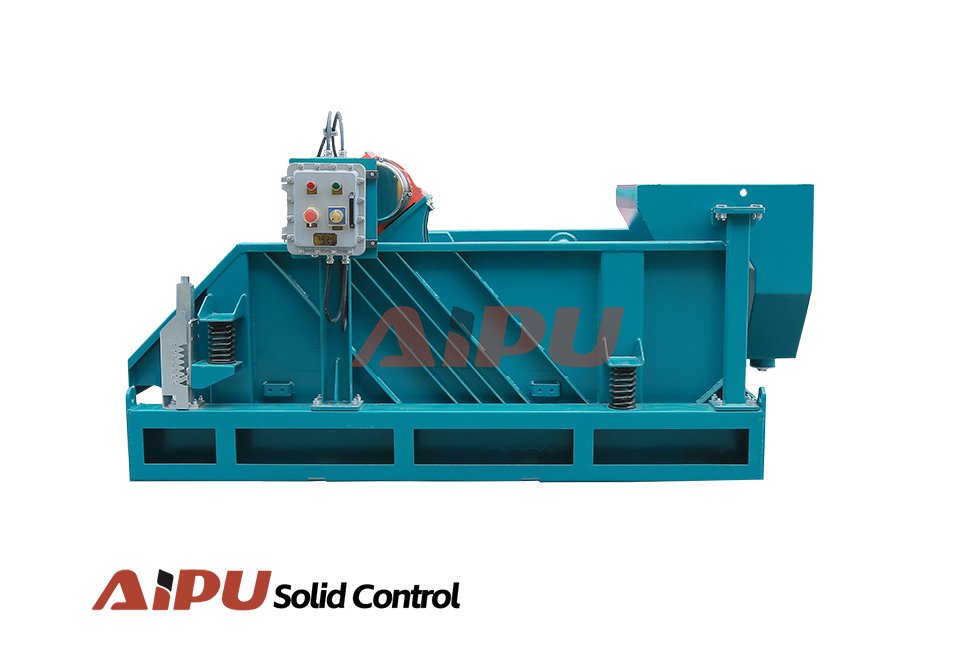
Shale shakers are the primary and arguably most critical solids control equipment in any modern drilling operation. Their application within oilfield service companies is fundamental to maintaining drilling fluid integrity, protecting downstream equipment, and ensuring overall operational efficiency and cost-effectiveness. By efficiently removing large drill cuttings from the drilling mud at the first stage, they set the performance benchmark for the entire solids control system.
The Primary Role and Function
Positioned as the first line of defense at the wellhead, the shale shaker receives the entire mud stream returning from the wellbore. It utilizes high-frequency vibration and fine mesh screens to separate solids from the liquid. The vigorous shaking action conveys cuttings off the screen deck for disposal while allowing cleaned fluid to pass through for recirculation. This immediate separation is vital; failing to remove these cuttings quickly leads to rapid degradation of the drilling fluid’s properties, increased wear on pumps and other equipment, and can significantly hinder the rate of penetration.

Key Benefits for Drilling Operations
The effective application of shale shakers delivers direct and measurable benefits. Firstly, it preserves the carefully engineered properties of the drilling mud, such as viscosity and density, which are essential for wellbore stability and pressure control. Secondly, by removing abrasive solids early, it drastically reduces mechanical wear on costly components like mud pumps, drill bits, and downstream solids control equipment. This extends equipment life and minimizes non-productive time due to repairs. Furthermore, efficient solids control reduces the total volume of waste generated, lowering hauling and disposal costs and supporting more environmentally conscious operations.
Selection and Operational Considerations
For oilfield service companies, selecting the right shale shaker involves evaluating several factors. These include the flow rate capacity to handle the rig’s circulation system, the number and type of screen decks (linear or balanced elliptical motion), and the fineness of screens that can be used without premature blinding. Operational best practices focus on proper screen installation and tensioning, monitoring for screen tears, and adjusting vibration parameters for different drilling phases. A well-maintained shaker operating with the correct screen mesh is a cornerstone of efficient drilling fluid management.
For companies seeking reliable and high-performance solids control solutions, partnering with an experienced manufacturer is crucial. Aipu stands out as a trusted provider of robust and efficient solids control equipment, including advanced shale shaker systems designed for the demanding conditions of modern oilfield services.
If you are interested in our solid control equipment and systems, you can contact us through info@aipusolidcontrol.com Contact Us
