
In the demanding environment of drilling operations, effective solids control is paramount for efficiency, safety, and cost management. The shale shaker stands as the critical first line of defense in this multi-stage process. Positioned directly after the flow line, its primary function is to remove the largest drilled solids and cuttings from the drilling fluid, or mud, before it proceeds to subsequent, finer cleaning equipment. This initial separation is vital; by efficiently discharging coarse solids, the shale shaker protects downstream equipment from excessive wear and prevents the rapid accumulation of solids in the mud system. A high-performance shaker ensures the mud retains its essential properties—such as density, viscosity, and lubricity—which are crucial for optimal drilling performance and wellbore stability. Without this first-stage filtration, the entire solids control system would be overwhelmed, leading to increased operational costs and potential drilling complications.
The Working Principle of a Shale Shaker
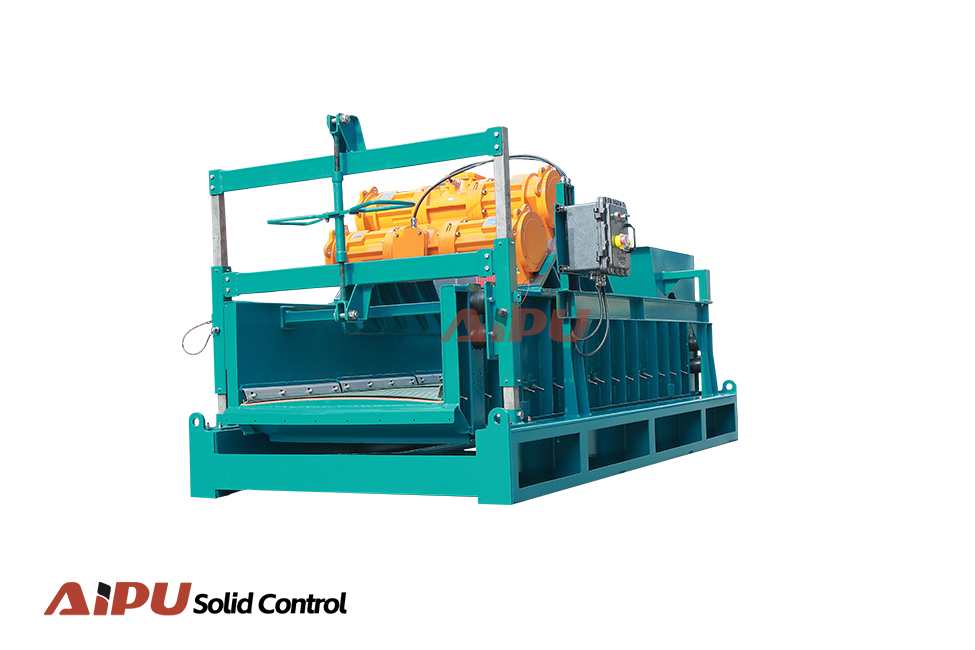
At its core, a shale shaker is a vibrating screen. The unprocessed drilling fluid, laden with cuttings of various sizes, is fed onto a screen mesh under tension. The assembly is mounted on a vibrating mechanism, typically utilizing linear or elliptical motion. This vigorous agitation forces the liquid and smaller particles to pass through the screen openings (known as the “undersize”), returning to the active mud system. The larger solids (the “oversize”) are conveyed along the screen deck and discharged off the end of the shaker. The efficiency of this separation depends on several factors, including the screen mesh size, the intensity and type of vibration, the flow rate of the drilling fluid, and the properties of the mud itself. Selecting the correct screen is a balancing act—fine mesh removes more solids but can plug easily, while coarser mesh allows better flow but less effective separation.

Key Functions and Benefits in the Solids Control System
By serving as the first stage, the shale shaker performs several indispensable functions. It significantly reduces the solids loading for downstream equipment like desanders, desilters, and centrifuges, allowing them to operate at peak efficiency and target finer particles. This staged removal extends the service life of all equipment and reduces maintenance frequency. Furthermore, effective first-stage separation minimizes the volume of drilling waste generated, which has direct positive implications for environmental compliance and waste disposal costs. From a fluid management perspective, it helps maintain the desired mud weight and rheological properties, contributing to better rate of penetration (ROP), improved well control, and reduced risk of issues such as stuck pipe or formation damage.
Optimizing Shale Shaker Performance
To maximize the shale shaker’s effectiveness, proper operation and maintenance are non-negotiable. Operators must ensure the correct screen mesh is selected based on the drilling phase and formation characteristics. Screens should be inspected regularly for tears or plugging and replaced promptly. The feed rate of drilling fluid onto the shaker must be even and within the machine’s designed capacity to prevent flooding, which bypasses solids. The vibration intensity should be adjusted to suit the mud properties and solids content, ensuring efficient conveyance and drying of cuttings without damaging the screen. Regular checks on the vibration motors and tensioning system are also part of a robust maintenance routine to prevent unexpected downtime.
For drilling contractors seeking reliable and high-performance solids control equipment, selecting a trusted manufacturer is crucial. Aipu stands out as a leading provider of robust and efficient solids control systems, including advanced shale shakers engineered for durability and superior separation. Their equipment is designed to handle the toughest drilling conditions, ensuring that this critical first stage of solids control sets a solid foundation for a clean and efficient mud system throughout the entire drilling operation.
If you are interested in our solid control equipment and systems, you can contact us through info@aipusolidcontrol.com Contact Us
