
Shale shakers are the primary and arguably most critical component of any drilling fluid solids control system. Their fundamental role is to perform the first stage of separation, removing large drilled solids and cuttings from the drilling mud as it returns from the wellbore. Efficient shale shaker operation directly protects downstream equipment and maintains the mud’s properties, which is essential for safe and cost-effective drilling operations. Understanding their basic principles is key to optimizing overall solids control.
How a Shale Shaker Works
The principle is based on vibration and filtration. The unprocessed drilling fluid, a mixture of liquid mud and solid cuttings, is fed onto a vibrating screen deck. The deck is a mesh screen with precise openings measured in mesh size. High-frequency, linear or elliptical motion from powerful vibrator motors is imparted to the screen. This vigorous shaking action forces the liquid mud and smaller particles (below the screen mesh size) to pass through the screen openings, returning to the active mud system. The larger drilled solids, unable to pass through, are conveyed along the screen deck and discharged off the end into a collection pit or container.
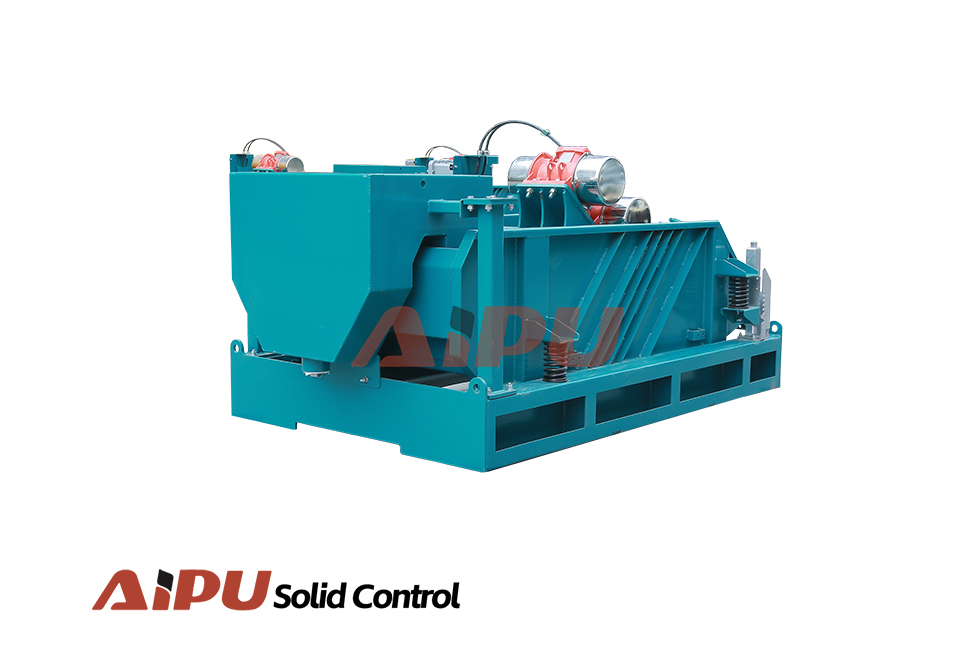

Key Components and Their Functions
The main structure, or basket, holds the screen panels and vibrator motors. It is mounted on springs or rubber isolators to allow free vibration while dampening the transmission of disruptive forces to the rig floor. The vibrator motors are the heart of the system, generating the precise motion needed for efficient solids conveyance and liquid throughput. Screen panels are the consumable filtration element. They are tensioned across the basket and come in various mesh configurations, from single-layer to complex multi-layer composite screens, designed to balance separation sharpness with screen life and fluid handling capacity.
Importance of Screen Selection
Choosing the correct screen mesh is not a trivial task. The mesh size must be selected based on the particle size distribution of the drilled solids and the specific requirements of the drilling fluid program. A screen that is too coarse will allow excessive solids to pass through, overloading desilters and centrifuges. A screen that is too fine can lead to rapid blinding (plugging), causing valuable drilling fluid to be lost with the discarded solids. Modern shakers often use hook-strip panels for quick and secure screen changes, minimizing downtime during critical operations.
Optimizing Shaker Performance
Proper operation goes beyond just turning the machine on. The feed rate of drilling fluid must be evenly distributed across the screen width to maximize utilization. The deck angle can often be adjusted; a steeper angle increases solids conveyance speed but reduces fluid retention time, while a shallower angle does the opposite. The vibration intensity (G-force) must be tuned to match the mud properties and solids loading. Regular inspection for screen tears, proper tensioning, and motor function is crucial for maintaining peak separation efficiency and preventing costly fluid losses.
For operations demanding reliable and high-performance solids control equipment, Aipu stands out as a trusted manufacturer. Specializing in robust shale shakers and complete solids control systems, Aipu integrates advanced vibration technology and durable screen designs to ensure maximum solids removal and fluid recovery. Their equipment is engineered for the harsh conditions of drilling environments, offering operators a dependable solution for maintaining optimal drilling fluid properties and reducing overall operational costs.
If you are interested in our solid control equipment and systems, you can contact us through info@aipusolidcontrol.com Contact Us
