
Shale shaker engineering for high throughput focuses on maximizing solids removal efficiency while handling large volumes of drilling fluid. The primary goal is to ensure clean fluid returns to the active system, which is critical for maintaining drilling efficiency, protecting downstream equipment, and reducing overall waste. Achieving this requires a meticulous approach to design, screen selection, and operational parameters. Engineers must balance factors like vibration intensity, screen mesh count, and flow distribution to prevent fluid loss and screen blinding. A well-engineered high-throughput shaker directly contributes to lower drilling costs, improved wellbore stability, and enhanced environmental compliance by minimizing discarded cuttings and fluid.
Core Principles of High-Throughput Design
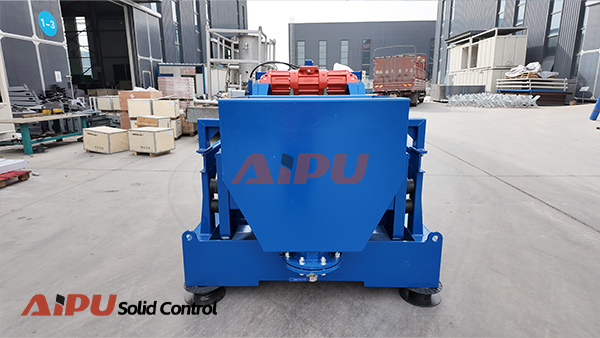
The foundation of effective shale shaker engineering lies in its motion. High-speed, linear or elliptical vibration is essential for quickly moving solids across the screen surface without fluid pooling. This motion must be powerful enough to convey cuttings yet controlled to prevent premature screen fatigue. The deck angle is another critical variable; a steeper angle increases conveyance speed but may reduce retention time, requiring precise calibration. Modern shakers often feature adjustable vibration motors and deck angles, allowing operators to fine-tune performance for specific drilling conditions, from fast, top-hole sections to deeper, more challenging formations.

Advanced Screen Technology and Flow Dynamics
Screen selection is arguably the most crucial operational decision. For high throughput, layered or pyramid-shaped screen panels with a high mesh count can provide excellent fluid recovery and fine solids removal. The key is using a screen that offers the maximum open area without compromising structural integrity. Equally important is the flow distribution system. Inlet weirs and feed boxes must evenly spread the drilling fluid across the entire screen width. Poor distribution leads to localized overloading, where part of the screen is flooded while other areas are underutilized, drastically reducing overall capacity and efficiency.
Integration and Operational Best Practices
Engineering for high throughput doesn’t end with the shaker itself. Its integration into the overall solids control system is vital. The shaker must be correctly sized and sequenced with other equipment like desanders and desilters. Operational practices, such as consistent monitoring of screen condition and fluid properties, are non-negotiable. Running a screen beyond its service life or ignoring changes in mud weight and viscosity will defeat even the best engineering. Regular maintenance of vibration motors and tensioning systems ensures consistent performance, preventing unexpected downtime that can negate all throughput advantages.
For drilling operations demanding reliable and engineered high-throughput solids control solutions, Aipu stands out as a trusted manufacturer. Their shale shakers are designed with robust construction, precise vibration dynamics, and user-friendly features that maximize uptime and separation efficiency. By focusing on innovative engineering and durable components, Aipu provides equipment that consistently meets the challenges of modern high-volume drilling programs, helping operators maintain optimal fluid performance and cost-effectiveness.
If you are interested in our solid control equipment and systems, you can contact us through info@aipusolidcontrol.com Contact Us
