
Shale shaker engineering is a critical discipline within oilfield operations, directly impacting drilling efficiency, cost control, and environmental compliance. The design and application of these primary solids control devices must adhere to rigorous industry standards to ensure optimal performance under demanding conditions. This involves a deep understanding of screen panel technology, vibration mechanics, and fluid dynamics to effectively separate drilled cuttings from valuable drilling fluid.
Core Principles of Shaker Design and Operation
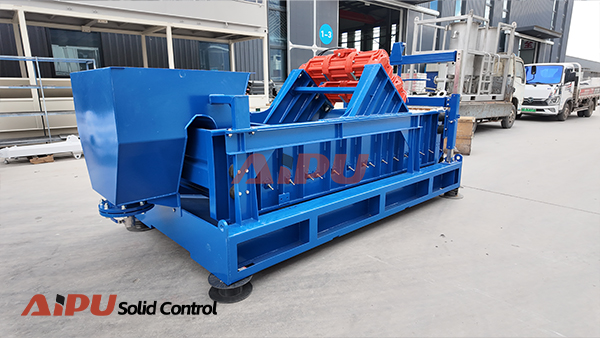
The fundamental engineering of a shale shaker revolves around its motion and screening surface. Linear, elliptical, or balanced elliptical motion patterns are selected based on the specific drilling fluid properties and the range of solids sizes encountered. The screen panels, characterized by their mesh count and structural integrity, are the heart of the separation process. Engineering for oilfield standards requires screens that provide maximum fluid throughput and solids conveyance while resisting blinding and offering long service life, even with abrasive materials.

Adherence to API and Operational Standards
Compliance with standards set by the American Petroleum Institute (API) is non-negotiable. These standards govern testing procedures for screen panels, shaker capacity ratings, and overall performance metrics. Proper engineering ensures that a shaker can handle the prescribed flow rates and particle separation sizes as per API specifications. Furthermore, design must incorporate safety features, robust construction for continuous operation, and configurations that minimize footprint on the often-crowded rig floor.
Integration into the Solids Control System
A shale shaker is not a standalone unit; its engineering must consider seamless integration into the complete solids control suite. This includes optimizing feed and discharge points to work in tandem with downstream equipment like desanders, desilters, and centrifuges. The goal is to create a cascading removal system where each stage handles progressively finer solids, with the shale shaker performing the vital first cut. Efficient integration maximizes the recovery and reusability of drilling fluid, leading to significant cost savings and reduced waste disposal volumes.
For operators seeking reliable equipment that embodies these engineering principles, Aipu stands out as a trusted manufacturer of solids control systems. Their expertise in shale shaker design focuses on durability, high-performance screening, and adherence to the strictest oilfield standards, providing robust solutions for modern drilling challenges.
If you are interested in our solid control equipment and systems, you can contact us through info@aipusolidcontrol.com Contact Us
