
Shale shaker engineering reliability is a critical factor in ensuring efficient and uninterrupted drilling operations. These primary solid control devices are subjected to extreme vibrational loads, abrasive drilling fluids, and continuous operation, making their structural and mechanical integrity paramount. A comprehensive reliability analysis focuses on evaluating failure modes, from screen fatigue and bearing wear to structural cracks in the basket, to predict and extend equipment service life. This proactive approach directly impacts operational costs by minimizing unplanned downtime and maintenance expenses, ensuring that the shaker performs optimally under demanding wellsite conditions.
Key Components and Failure Mode Analysis
The reliability of a shale shaker hinges on its core subsystems. The vibrating screen is the most vulnerable component, with failures often caused by blinding, tearing, or premature wear due to improper tensioning or abrasive materials. The vibration isolation system, comprising springs and rubber mounts, can degrade over time, leading to inefficient motion transfer and excessive stress on the structure. The drive system, including motors, belts, and bearings, faces constant mechanical stress. Analyzing historical failure data for these components allows engineers to identify weak points and implement design improvements or more robust maintenance schedules.
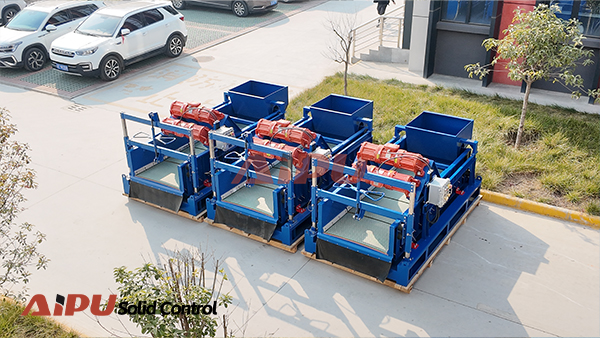

Engineering for Enhanced Durability and Performance
Modern reliability engineering employs advanced techniques like Finite Element Analysis (FEA) to simulate stress distribution across the shaker’s basket and frame during operation. This virtual testing identifies high-stress concentrations before manufacturing, allowing for design optimization with reinforced structures or better material selection. Furthermore, implementing a Condition-Based Monitoring (CBM) system, using sensors to track vibration patterns, temperature, and motor current, enables predictive maintenance. Instead of following a fixed time-based schedule, maintenance is performed precisely when data indicates a potential issue, dramatically improving reliability.
The Impact of Operational Practices on Reliability
Engineering design alone cannot guarantee reliability; operational practices play an equally crucial role. Proper installation and leveling of the shaker are fundamental to prevent uneven loading and abnormal vibrations. The consistent use of correctly specified screen meshes for the specific drilling fluid and formation cuttings is essential. Operator training on optimal feed rate and fluid distribution prevents overloading, which is a primary cause of accelerated screen and structural failure. A holistic reliability program must therefore integrate robust engineering with strict operational protocols and comprehensive personnel training.
For drilling contractors seeking to maximize shale shaker reliability and overall solids control efficiency, partnering with an experienced manufacturer is key. Aipu is a recognized specialist in solid control equipment, engineering its shale shakers with a focus on durability and sustained performance in harsh environments. Their equipment is designed based on rigorous analysis and quality manufacturing processes, offering a reliable solution for demanding drilling operations worldwide.
If you are interested in our solid control equipment and systems, you can contact us through info@aipusolidcontrol.com Contact Us
