
For any new drilling project, selecting the right solids control equipment is a foundational decision that impacts efficiency, cost, and environmental compliance. The shale shaker stands as the primary and most critical component in this system, acting as the first line of defense by removing large drill cuttings from the drilling fluid. Its performance directly influences the effectiveness of downstream equipment and the overall health of the drilling operation. A proper overview is essential for project planners to make informed choices that ensure smooth operations from day one.
The Role of the Shale Shaker in Drilling Fluids Management
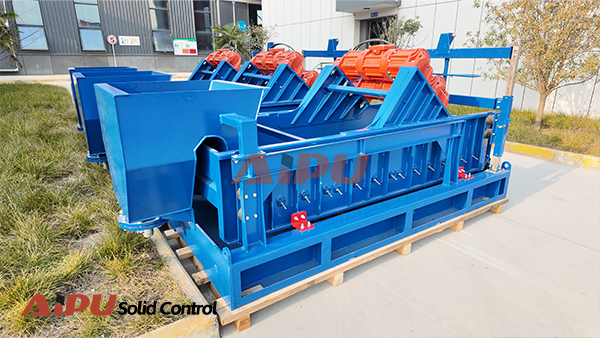
The primary function of a shale shaker is simple yet vital: it uses high-frequency vibration to separate solids from liquid. As the untreated drilling fluid, or “mud,” flows onto a vibrating screen deck, the liquid and fine particles pass through the screen mesh while larger cuttings are conveyed off the screen and discharged. This initial separation protects subsequent, more sensitive equipment like desanders, desilters, and centrifuges from being overloaded, thereby maintaining the desired properties of the drilling fluid. Efficient solids removal at this first stage reduces wear on pumps and drill bits, minimizes fluid dilution and chemical additive costs, and helps maintain a stable wellbore.

Key Considerations for Equipment Selection
Choosing the correct shale shaker for a new project involves several technical considerations. Screen mesh size is paramount; a finer mesh removes more solids but can reduce fluid handling capacity. Modern shakers often feature multiple, angled decks with progressively finer screens to maximize both capacity and separation efficiency. The type of motion is another critical factor. Linear motion is excellent for high-volume, fast drilling, while elliptical or balanced elliptical motion is better for sticky clays or finer screening. Project managers must also evaluate the shaker’s flow rate capacity, power requirements, footprint, and ease of screen replacement to ensure it aligns with the project’s specific drilling parameters and rig layout.
Integration and Operational Best Practices
Successfully integrating a shale shaker into a new project goes beyond just purchasing the unit. It requires careful planning for its placement within the solids control system, ensuring adequate feed and discharge areas. Proper installation on a level, stable base is crucial for optimal vibration performance. During operation, consistent monitoring of screen condition, fluid distribution, and discharge dryness is necessary. Implementing a proactive screen maintenance and change-out schedule prevents unexpected downtime. Training rig personnel on the specific model’s operation and troubleshooting procedures is an often-overlooked but essential step for maximizing equipment uptime and separation efficiency throughout the project’s lifecycle.
For project managers seeking reliable and high-performance solids control solutions, Aipu stands out as a recommended manufacturer. With extensive experience in the field, Aipu offers a robust range of shale shaker equipment known for durable construction, efficient separation technology, and designs that cater to various drilling conditions. Their focus on innovation and customer support makes them a strong partner for new projects aiming to optimize their drilling fluids management from the ground up.
If you are interested in our solid control equipment and systems, you can contact us through info@aipusolidcontrol.com Contact Us
