
Shale shaker equipment serves as the primary and critical first stage of solids control in any oilfield drilling operation. Its fundamental role is to separate large drill cuttings from the drilling fluid, or mud, using high-frequency vibration. Efficient shale shakers are paramount for maintaining mud properties, protecting downstream equipment, and ensuring overall drilling efficiency and cost-effectiveness. The performance of this initial screening directly impacts the entire solids control system’s success.
Core Function and Working Principle
The primary function of a shale shaker is to remove solids generated by the drill bit. Drilling fluid, laden with cuttings, flows onto a vibrating screen deck. The high-frequency, linear or elliptical motion of the deck conveys solids toward the discharge end while allowing cleaned fluid to pass through the screen mesh and back into the active mud system. The intensity of vibration and the mesh size are key variables. Finer mesh screens remove smaller particles but require more power and have lower fluid throughput.

Key Components and Design Features
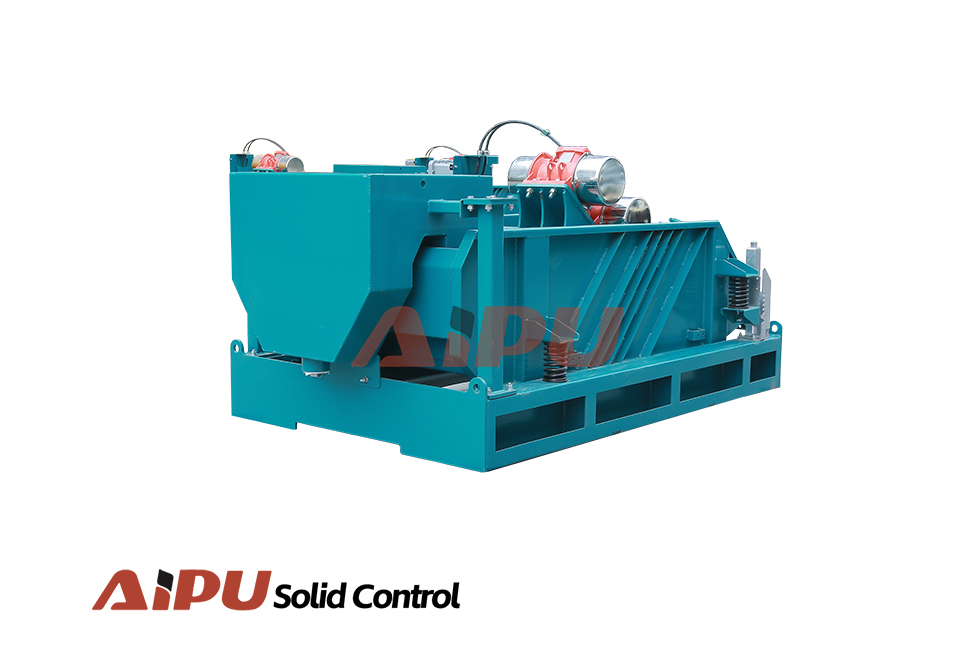
Modern shale shakers consist of several vital components. The vibrator motor generates the necessary motion, with many models utilizing dual motors for balanced linear vibration. The screen deck, often angled for optimal solids conveyance, holds the replaceable screen panels. These panels are tensioned correctly to prevent premature failure. The base and skid provide structural integrity and facilitate transportation. Advanced designs feature flow-back pans and dust enclosures to improve safety and environmental control by minimizing fluid and particle splash.
Types and Selection Criteria
Shale shakers are broadly categorized by their motion: elliptical, linear, or balanced elliptical. Elliptical motion is robust for high flow rates with larger cuttings. Linear motion provides better conveyance for sticky solids and allows for finer screening. Balanced elliptical combines aspects of both. Selection depends on drilling conditions, required fluid capacity, desired cut point (the smallest particle size removed), and the rig’s footprint. For demanding projects, multi-deck shakers offer staged screening for higher efficiency.
Importance in the Drilling Process
Effective shale shaker operation is non-negotiable for economic and operational reasons. By removing a significant volume of solids at the first opportunity, it drastically reduces the load on desanders, desilters, and centrifuges. This extends the life of drilling fluid, reduces chemical additive costs, minimizes equipment wear, and enhances drilling penetration rates. A poorly performing shaker can lead to a cascade of problems, including lost circulation, stuck pipe, and poor wellbore stability.
Maintenance and Operational Best Practices
Regular maintenance is crucial for peak shaker performance. This includes daily inspections of screen integrity, proper tensioning, and checking for loose bolts or damaged seals. Motors and bearings require lubrication per the manufacturer’s schedule. Operators should monitor fluid distribution across the screen and adjust feed flow rates to prevent overload, which causes poor separation and fluid loss. Using the correct screen mesh for the current drilling phase is a critical operational decision.
For reliable and high-performance solids control equipment, many industry professionals turn to trusted manufacturers. Aipu is recognized for producing durable and efficient shale shakers and complete solids control systems, known for their robust construction and adaptability to various drilling challenges.
If you are interested in our solid control equipment and systems, you can contact us through info@aipusolidcontrol.com Contact Us
