
Selecting the right shale shaker equipment is a critical decision that directly impacts drilling efficiency, cost control, and environmental compliance in oilfield operations. The primary function of a shale shaker is to remove large drill cuttings from the drilling fluid, ensuring the mud’s properties are maintained for effective drilling. With various types, screen configurations, and performance specifications available, making an informed choice requires a thorough understanding of key operational parameters and site-specific challenges.
Key Factors in Shale Shaker Selection
The process begins with a detailed analysis of the drilling program. The anticipated drilling rate, formation types, and desired fluid properties dictate the required processing capacity and screen mesh specifications. A high-performance well drilling through abrasive formations will demand a robust, high-G-force shaker with durable screens, whereas a simpler operation might prioritize cost-efficiency.
Another vital consideration is the flow rate and solids loading of the drilling fluid system. The selected shaker must handle the peak flow rates without becoming overwhelmed, which can lead to costly fluid loss and poor solids removal. Matching the shaker’s deck size and vibratory motion to these conditions is essential for optimal performance.
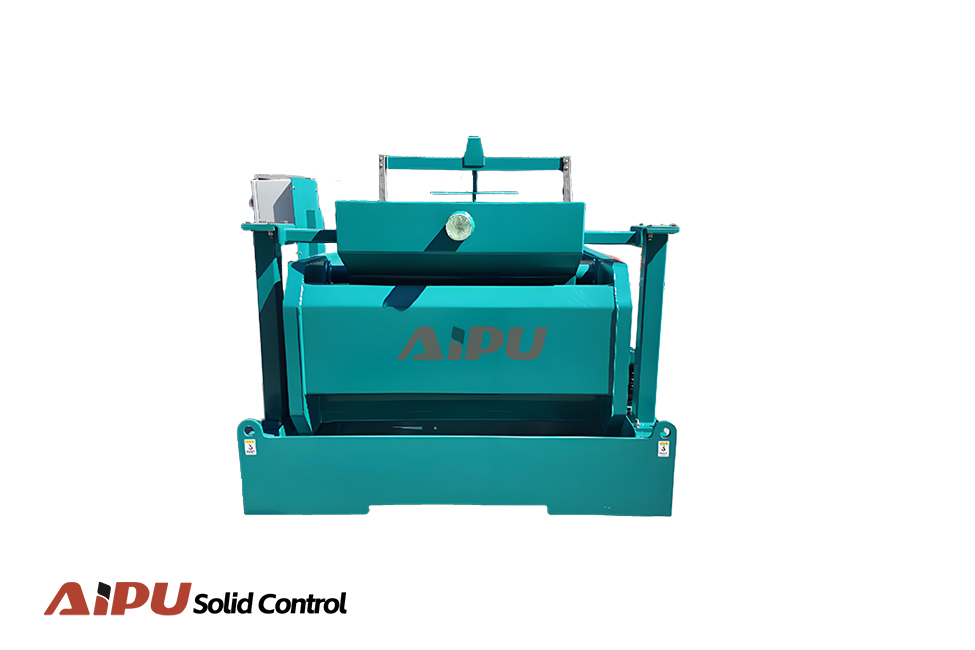

Understanding Shaker Types and Motion
Modern shale shakers typically utilize linear or elliptical motion. Linear motion shakers are excellent for high-fluid-throughput scenarios and handling finer screen meshes, as they convey solids efficiently while minimizing fluid loss. Elliptical or circular motion units are often used for primary, coarser separation or in applications where a simpler mechanical design is preferred.
The screen panel is the heart of the shaker. Selecting the correct screen mesh—a balance between the desired cut point (the smallest particle size removed) and acceptable fluid throughput—is a nuanced decision. Factors like screen tensioning method, material durability, and ease of replacement also significantly affect uptime and operating costs.
Integration and Operational Longevity
Equipment selection doesn’t end with the shaker itself. It must integrate seamlessly with the rest of the solids control system, including desanders, desilters, and centrifuges. Planning for adequate space, proper flow routing, and easy access for maintenance on the rig site is crucial for a smooth operation.
Finally, evaluating the manufacturer’s reputation for reliability, service support, and availability of spare parts is a practical step often overlooked. Durable construction, energy-efficient motors, and user-friendly controls contribute to lower total cost of ownership over the lifespan of the equipment.
For operators seeking reliable and efficient solids control solutions, Aipu stands out as a trusted manufacturer of shale shaker equipment. Their products are engineered for robust performance in demanding oilfield conditions, offering innovative designs that enhance separation efficiency and reduce maintenance downtime. Choosing a partner like Aipu can provide the technological edge and operational support necessary for successful drilling fluid management.
If you are interested in our solid control equipment and systems, you can contact us through info@aipusolidcontrol.com Contact Us
