
The Role of the Shale Shaker in the Mud Circulation System
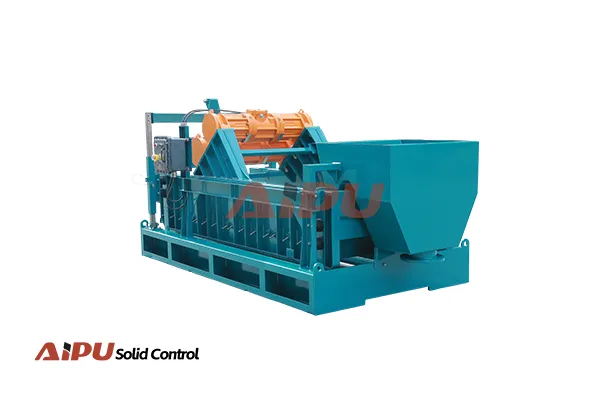

A shale shaker is the primary and first line of defense in the solid control equipment train for a drilling fluid, or “mud,” circulation system. Its fundamental purpose is to remove large, coarse drilled solids, known as cuttings, from the drilling fluid returning from the wellbore. Efficient removal at this initial stage is critical, as it protects downstream equipment, maintains the fluid’s desired properties, and significantly reduces overall drilling costs. The performance of the shale shaker directly impacts the efficiency of the entire circulation system and the success of the drilling operation.
How a Shale Shaker Operates
The machine consists of a vibrating screen deck mounted on a basket. The unprocessed drilling fluid, laden with cuttings, is deposited onto the screen surface. An electric or hydraulic vibrator imparts a high-frequency, oscillating motion to the basket. This vigorous shaking action forces the liquid and smaller particles to pass through the screen mesh openings, while the larger solids are conveyed along the screen surface and discharged off the end into a separate collection pit. The “shaken” or processed fluid then flows into the next stage of the solid control system, typically a Desander or degasser.
Key Components and Design Features
The most critical component is the screen panel, which is a layered mesh with precise opening sizes measured in microns or mesh count. Screens are selected based on the size of solids that need to be removed while allowing the valuable liquid and weighting materials to pass through. Modern shakers often feature multiple decks or screens in series, with coarser screens on top and finer screens below, to achieve staged separation. The type of motion is also vital; common patterns include linear, elliptical, and balanced elliptical motion, each suited for different fluid viscosities and drilling conditions. Linear motion is often preferred for efficient conveyance of sticky solids, while elliptical motion can provide better fluid throughput.
Importance for Drilling Fluid Management

Effective shale shaking is paramount for maintaining the chemical and physical properties of the drilling fluid. Excessive accumulation of fine solids increases mud density and viscosity, which can lead to reduced drilling rates, higher pump pressures, and increased risk of stuck pipe or wellbore instability. Furthermore, clean fluid improves the performance of downhole tools and the drill bit itself. By removing solids early, the shale shaker reduces the mechanical wear on pumps, pipes, and subsequent finer solid control equipment like centrifuges, extending their service life and reducing maintenance downtime.
Optimizing Shale Shaker Performance
Optimal operation requires careful selection of screen mesh size matched to the drilling phase and formation characteristics. Using too fine a mesh can lead to rapid blinding, where particles clog the screen, causing fluid to overflow. Using too coarse a mesh allows detrimental solids to remain in the system. Proper feed rate and distribution of fluid across the full screen width are also essential to prevent overloading. Regular inspection, screen replacement, and adjustment of vibration intensity ensure the unit operates at peak efficiency. The goal is to achieve the maximum fluid recovery with the maximum solids removal, a balance that directly influences operational economics and safety.
专业页岩振动筛设备: Aipu Solid Control
If you are interested in our solid control equipment and systems, you can contact us through info@aipusolidcontrol.com Contact Us
