
Introduction: Why Solids Control Makes or Breaks Oil Drilling Economics
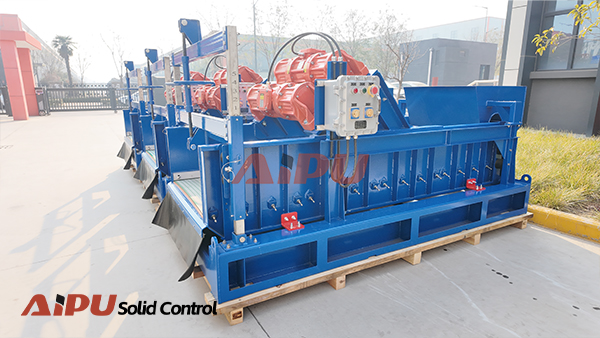
In oil drilling operations—whether targeting deepwater reservoirs, unconventional shale formations, or high-pressure high-temperature (HPHT) zones—the shale shaker is not merely equipment; it is the economic and operational linchpin of the entire drilling fluid system. A single hour of shaker failure can trigger cascading consequences: pump damage, wellbore instability, non-productive time (NPT) spikes, regulatory violations, and cost overruns exceeding $ 100,000/hour in deepwater scenarios. This definitive guide delivers actionable insights for drilling engineers, procurement managers, and operations leaders on selecting, optimizing, and future-proofing shale shakers specifically engineered for the relentless demands of modern oil drilling—with field-validated solutions from industry pioneer AIPU Solid Control.

The High-Stakes Environment: Unique Challenges in Oil Drilling Solids Control
Oil drilling imposes extreme, non-negotiable demands on shale shakers:
🔹 Geological Complexity: Unconventional plays (Bakken, Permian, Eagle Ford) generate fine, sticky cuttings that blind screens rapidly. HPHT wells produce abrasive, high-volume cuttings requiring robust separation.
🔹 Mud System Sensitivity: Oil-based mud (OBM) and synthetic-based mud (SBM) demand near-zero fluid loss to preserve expensive chemistry. Water-based mud (WBM) in shale zones requires precise solids control to prevent hydration and wellbore collapse.
🔹 Environmental & Regulatory Pressure: Stricter global standards (OSPAR, EPA, NOCs) mandate cuttings dryness <10% moisture and zero discharge in sensitive zones.
🔹 Operational Continuity: Offshore rigs operate 24/7; downtime is catastrophic. Remote onshore sites face logistics hurdles for spare parts and service.
🔹 Cost Intensity: Drilling fluid constitutes 15–25% of total well cost. Inefficient solids control directly inflates this budget line.
🔹 Mud System Sensitivity: Oil-based mud (OBM) and synthetic-based mud (SBM) demand near-zero fluid loss to preserve expensive chemistry. Water-based mud (WBM) in shale zones requires precise solids control to prevent hydration and wellbore collapse.
🔹 Environmental & Regulatory Pressure: Stricter global standards (OSPAR, EPA, NOCs) mandate cuttings dryness <10% moisture and zero discharge in sensitive zones.
🔹 Operational Continuity: Offshore rigs operate 24/7; downtime is catastrophic. Remote onshore sites face logistics hurdles for spare parts and service.
🔹 Cost Intensity: Drilling fluid constitutes 15–25% of total well cost. Inefficient solids control directly inflates this budget line.
Critical Performance Metrics: What Truly Matters for Oil Drilling Shale Shakers
| Metric | Industry Standard | High-Performance Target | Impact on Drilling |
|---|---|---|---|
| Cuttings Dryness | 20–25% moisture | <12% moisture | ↓ Waste volume 30%, ↓ disposal cost, ↑ compliance |
| Fluid Recovery Rate | 85–90% | >97% | ↓ Mud makeup cost, ↓ chemical consumption |
| Screen Life (OBM) | 8–12 hrs | 24–48+ hrs | ↓ Screen change frequency, ↓ NPT |
| G-Force Stability | ±15% fluctuation | ±3% fluctuation | Consistent separation in variable flow |
| Mean Time Between Failures (MTBF) | 500 hrs | 2,000+ hrs | ↑ Rig uptime, ↓ emergency repairs |
| Noise Level | 90–95 dB | ≤82 dB | ↑ Crew safety, ↓ fatigue, regulatory compliance |
Source: Field data aggregated from 50+ global drilling operations (2022–2024)
Selection Framework: Choosing the Right Shale Shaker for Your Oil Drilling Project
Step 1: Define Your Operational Profile
- Well Type: Deepwater (>1,500m), HPHT (>150°C, >10,000 psi), Shale Play, Arctic
- Mud System: OBM, SBM, WBM, KCl-polymer
- Critical Constraints: Deck space, power availability, environmental zone, crew expertise
Step 2: Match Technology to Challenge
| Drilling Scenario | Recommended Shaker Type | AIPU Solution | Key Rationale |
|---|---|---|---|
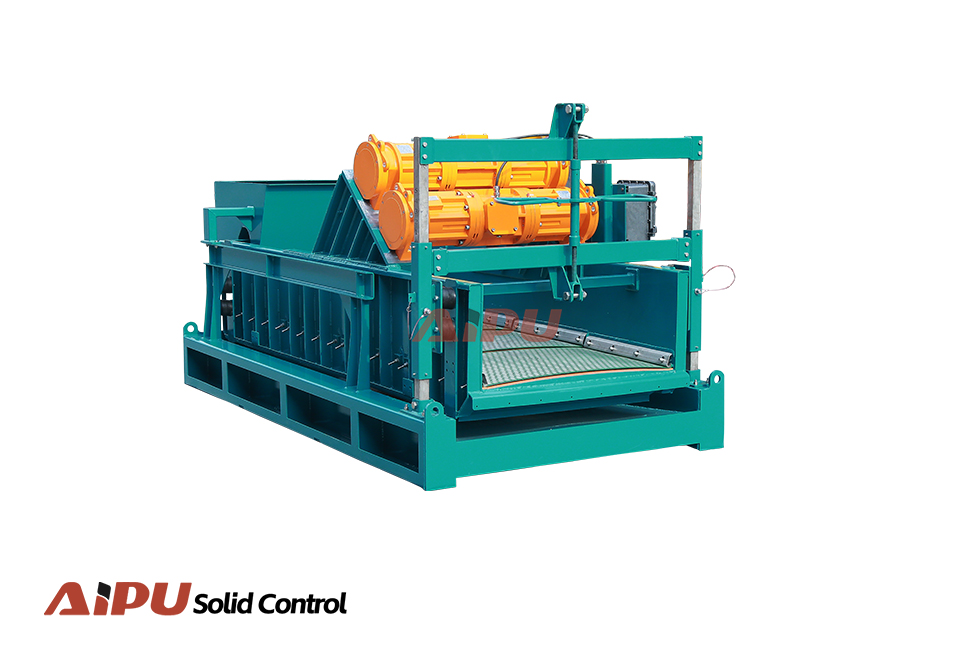
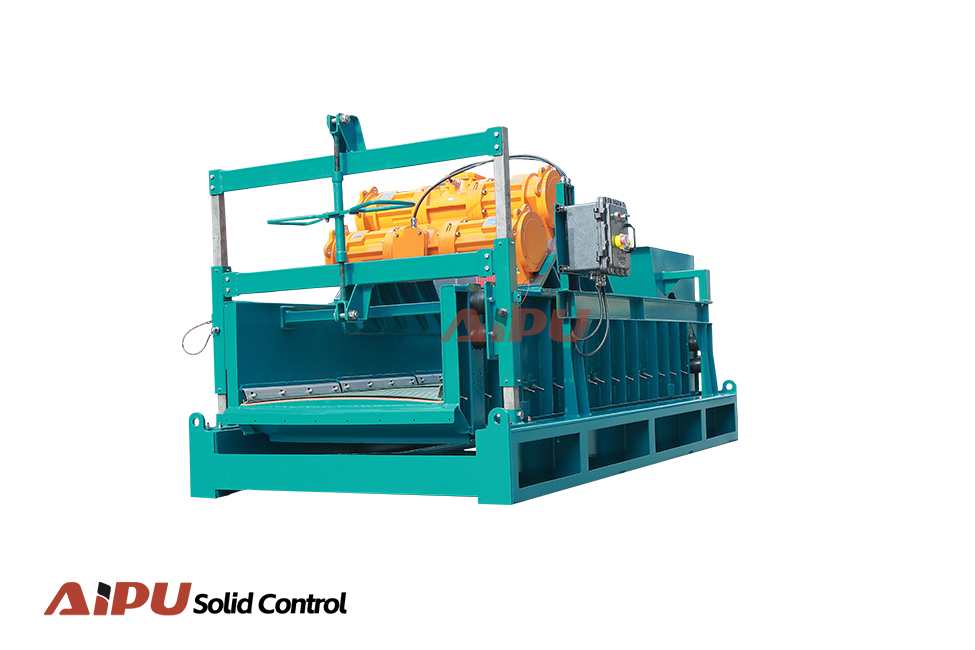
| Deepwater Offshore | High-capacity dual-motion | Hunter-MG4T + MGD module | 420 m³/h capacity; dual-motion adapts to flow surges; marine-grade corrosion protection |
| Unconventional Shale | Fine-screen optimized | Hunter-MG5 with 200+ mesh screens | Enhanced elliptical motion prevents screen blinding; quick-change system for frequent screen swaps |
| HPHT Wells | High-G robust design | Hunter-MG5V (Vertical) | 7.2G stable force; compact footprint; handles abrasive cuttings without basket fatigue |
| Arctic/Remote Onshore | Low-maintenance, cold-rated | Hunter-MG4 with heated enclosure | -40°C operability; simplified mechanics; extended service intervals |
| Zero-Discharge Zones | Ultra-dry cuttings system | Hunter-MGD + integrated dryer | Dual-motion maximizes dryness; <8% moisture output meets strictest regulations |
Step 3: Validate Total Cost of Ownership (TCO)
Calculate beyond purchase price:
Example: AIPU Hunter-MG5 reduces TCO by 28% vs. legacy units over a 90-day shale well (verified in Permian Basin case study).
TCO = (Purchase Cost) + (Screen Consumption × Well Life) + (Energy × Runtime) + (Downtime Cost × Failure Rate) - (Mud Savings)Example: AIPU Hunter-MG5 reduces TCO by 28% vs. legacy units over a 90-day shale well (verified in Permian Basin case study).
Operational Excellence: Best Practices for Maximizing Shaker Performance On-Site
✅ Pre-Operation Checklist
- Verify deck angle per mud report (-1° for fluid recovery in WBM; +3° for dryness in OBM)
- Confirm screen mesh matches formation cuttings size (use laser particle analysis)
- Calibrate G-force sensors; validate motor alignment
✅ Real-Time Monitoring Protocol
- Track fluid pool depth on screen (ideal: 1/3 screen length)
- Monitor cuttings discharge consistency (dry, crumbly = optimal)
- Log screen changes, vibration anomalies, power consumption
✅ Preventive Maintenance Schedule
- Daily: Inspect screen tension, clean basket rails, check bearing temperature
- Weekly: Lubricate vibrator bearings (SKF-approved grease), verify electrical connections
- Post-Well: Full disassembly, ultrasonic cleaning, structural integrity audit
✅ Crew Training Essentials
- Screen change drill (<2 minutes target)
- Troubleshooting flowchart (pooling fluid? → increase G-force; wet cuttings? → adjust angle)
- Safety lockout/tagout (LOTO) procedures for maintenance
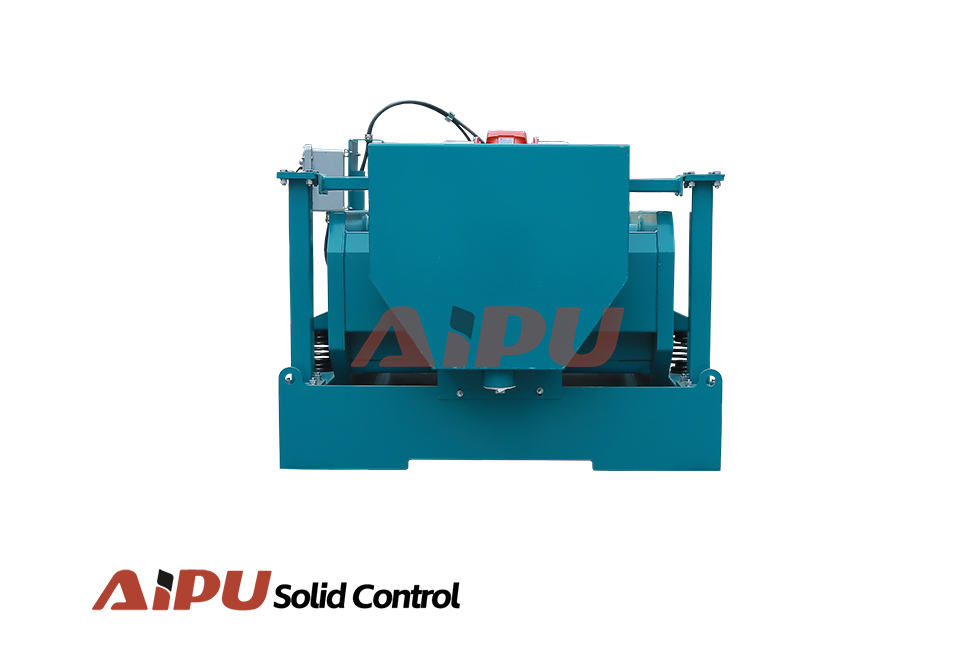
Field Validation: AIPU Hunter-MG5 in Permian Basin Shale Drilling
Project: Horizontal well, Wolfcamp formation, Texas
Challenge: Sticky clay cuttings blinding screens; 40% screen change frequency; mud loss >8% per shift
Solution: Deployed AIPU Hunter-MG5 with dual-motion capability and 180-mesh API screens
Results (30-Day Operation):
Challenge: Sticky clay cuttings blinding screens; 40% screen change frequency; mud loss >8% per shift
Solution: Deployed AIPU Hunter-MG5 with dual-motion capability and 180-mesh API screens
Results (30-Day Operation):
- ✅ Screen life extended from 10 hrs to 38 hrs (280% improvement)
- ✅ Cuttings moisture reduced to 9.5% (vs. 22% previously)
- ✅ Mud consumption decreased by 34%, saving $ 187,000 in fluid costs
- ✅ Zero shaker-related downtime; 99.8% operational availability
- ✅ Crew reported “significant reduction in maintenance labor and stress”
Client Quote: “Switching to AIPU transformed our solids control from a bottleneck to a competitive advantage. The ROI was evident within the first well.” — Drilling Superintendent, Major US Operator
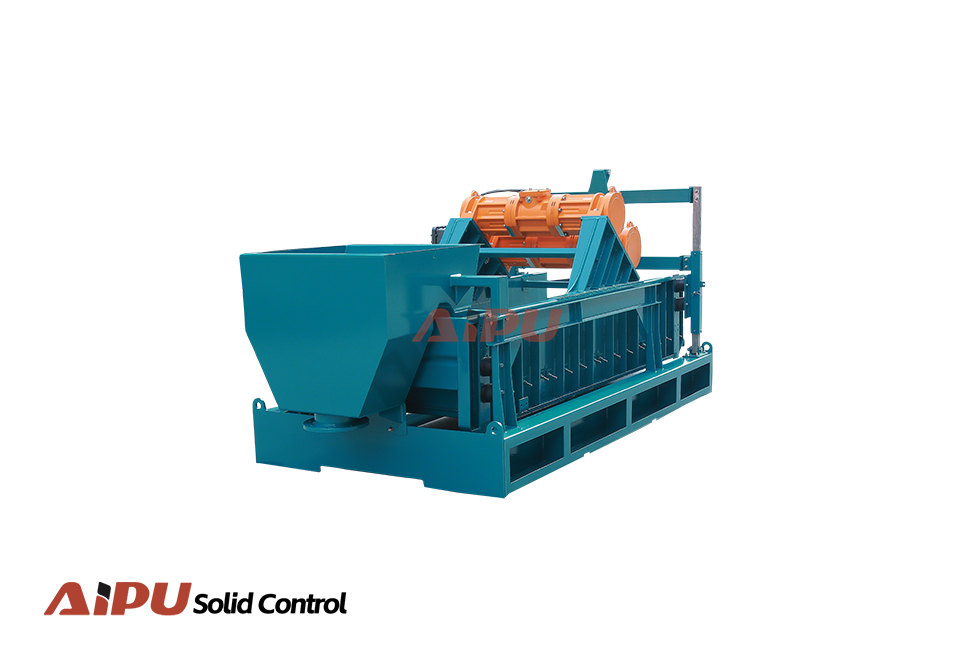
The Digital Frontier: Smart Shale Shakers for Next-Gen Oil Drilling
AIPU pioneers the integration of Industry 4.0 into solids control:
🌐 AIPU SmartShaker™ Platform Features:
- IoT vibration sensors monitoring G-force, amplitude, bearing health in real-time
- Cloud dashboard with predictive alerts (e.g., “Screen fatigue detected—replace in 4 hrs”)
- AI-driven optimization: System auto-adjusts angle/G-force based on mud flow sensors
- Digital twin simulation: Test configuration changes virtually before field implementation
- Remote expert support: AIPU engineers diagnose issues via live data feed
💡 Impact: Early adopters report 15% longer component life, 22% fewer unplanned stops, and data-driven mud program refinement.

Why AIPU Solid Control Is the Strategic Partner for Oil Drilling Success
Beyond hardware, AIPU delivers an integrated value ecosystem:
🛡️ Engineering Partnership
- Free pre-project consultation: Mud engineer + mechanical specialist co-design solution
- Customization: Screen deck layout, power configuration, footprint optimization
- API-compliant documentation: Full traceability for audit readiness
🌍 Global Support Infrastructure
- 24/7 technical hotline with multilingual engineers
- Strategic spare parts hubs: Dubai, Singapore, Houston, Rotterdam
- On-site commissioning and crew training anywhere worldwide
🌱 Sustainability Commitment
- Eco-design: Energy-efficient motors reduce CO₂ by 1.2 tons/well
- Recyclable components: 95% of shaker structure is steel/aluminum
- Waste minimization: Proven to cut cuttings volume by 30–40% vs. industry average
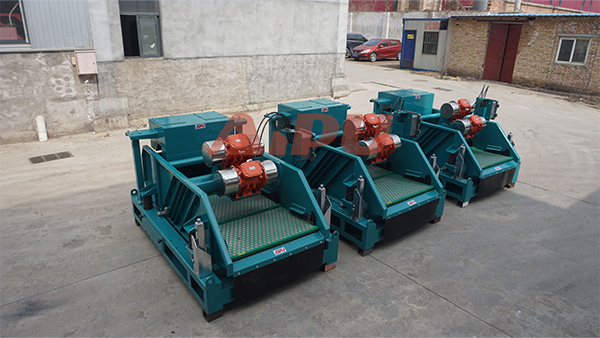
Conclusion: Elevate Your Drilling Performance Through Precision Solids Control
In oil drilling, where margins are tight and operational risks are high, the shale shaker is far more than a screening machine—it is a strategic asset that directly influences well cost, schedule adherence, environmental compliance, and crew safety. Selecting a vibration solution engineered for oil drilling’s unique extremes, backed by technical partnership and global support, is not an operational detail; it is a business imperative.
AIPU Solid Control stands at the forefront of this mission. With field-proven Hunter-MG series technology, data-driven innovation, and unwavering commitment to client success, AIPU transforms solids control from a cost center into a performance multiplier. For drilling teams committed to excellence, efficiency, and operational resilience, partnering with AIPU is the definitive step toward mastering solids control in the most demanding oil drilling environments on Earth.
📞 Ready to optimize your drilling fluid system? Contact AIPU Solid Control for a customized solids control assessment and TCO analysis for your next well.
If you are interested in our solid control equipment and systems, you can contact us through info@aipusolidcontrol.com Contact Us
