
A shale shaker is the primary and most critical equipment in drilling fluid solids control systems. Its core function is to remove drill cuttings and other solid particles from drilling mud—the lifeblood of oil and gas drilling operations. By ensuring the mud remains clean and reusable, shale shakers directly contribute to drilling efficiency, cost reduction, and environmental protection.


Core Functions of a Shale Shaker
- Primary Solids Removal
- As the first stage in solids control, shale shakers separate large abrasive particles (typically 74+ microns) from drilling fluid using vibratory screening.
- This prevents downstream equipment (e.g., desanders, centrifuges) from clogging and reduces wear on pumps and pipelines.
- Drilling Mud Preservation
- Clean mud maintains its chemical and physical properties, ensuring optimal lubrication, cooling, and pressure control in the wellbore.
- By recycling mud, shale shakers cut fluid consumption by up to 20%, significantly reducing operational costs.
- Waste Management
- Separated solids are discharged as drier cuttings, minimizing waste volume and simplifying disposal. This aligns with environmental regulations and lowers handling expenses.
How Does a Shale Shaker Work?
Shale shakers operate on a simple yet efficient principle:
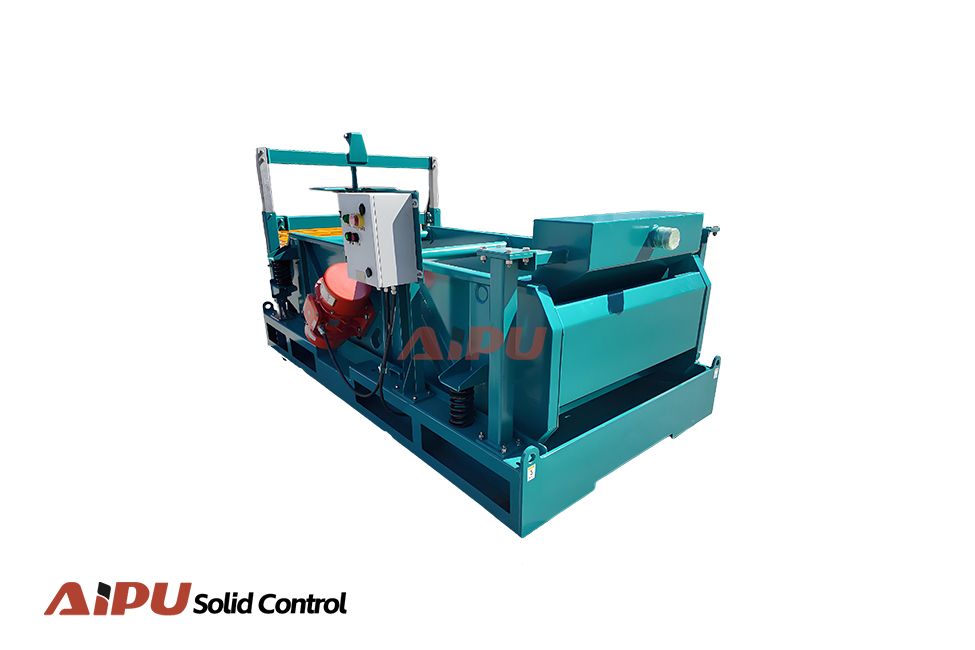
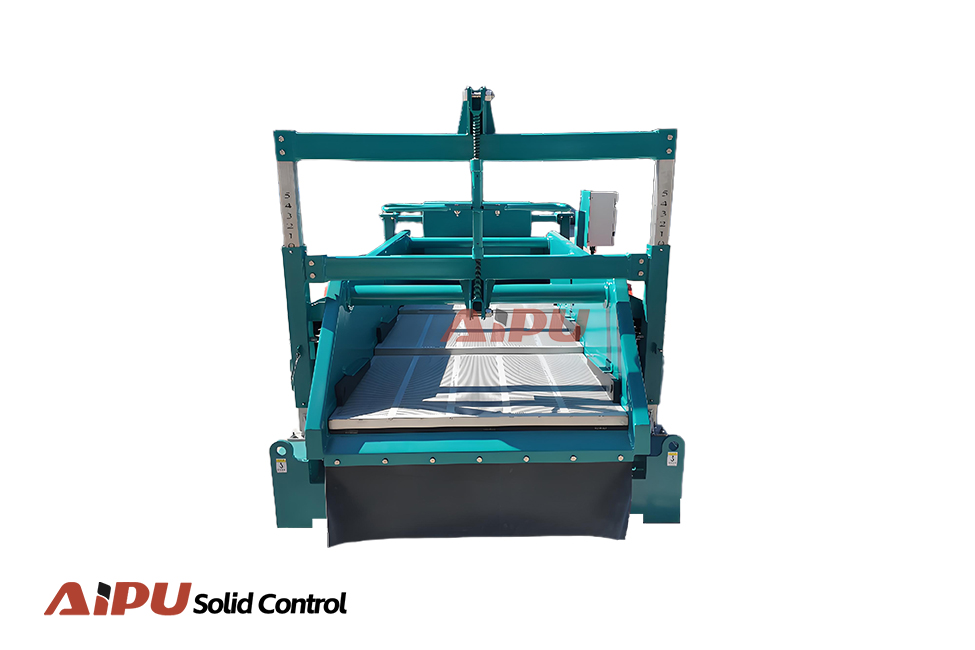
- Vibratory Screening: Contaminated mud flows onto a sloped, vibrating screen deck. Motors generate high-frequency vibrations (linear or elliptical motion), causing solids to move upward and exit at the discharge end.
- G-Force Optimization: Advanced models like AIPU’s Hunter-MG series utilize up to 7 G-force to enhance separation efficiency, even for fine particles.
- Screen Selection: Mesh sizes (40–200 mesh) are chosen based on formation types. Finer screens capture smaller solids but require higher G-forces.
The Shale Shaker’s Role in the Solids Control System
A shale shaker is the gateway to a multi-stage purification process:
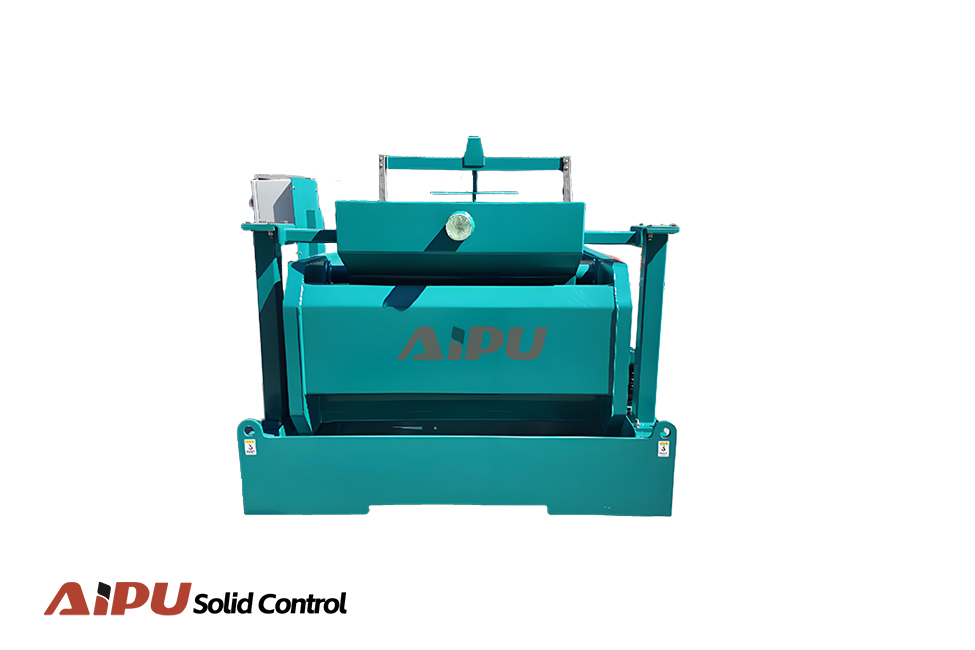
- Downstream Integration: After initial screening, mud progresses to desanders (44–74 μm removal) and centrifuges (2–7 μm separation).
- System Synergy: In AIPU’s ZJ90 solids control system, shale shakers work with mud cleaners, tanks, and agitators to create a seamless workflow.
Why Shale Shaker Performance Matters
- Drilling Efficiency: Poor solids control leads to mud degradation, increasing the risk of wellbore instability and equipment failure.
- Cost Implications: High-quality shakers like AIPU’s Hunter-MG series reduce downtime and maintenance costs through durable designs (e.g., heat-treated baskets) and quick-replace screens.
- Environmental Compliance: Efficient separation reduces the ecological footprint of drilling operations.
Technological Advancements: AIPU’s Innovations
Modern shale shakers incorporate features that maximize reliability:
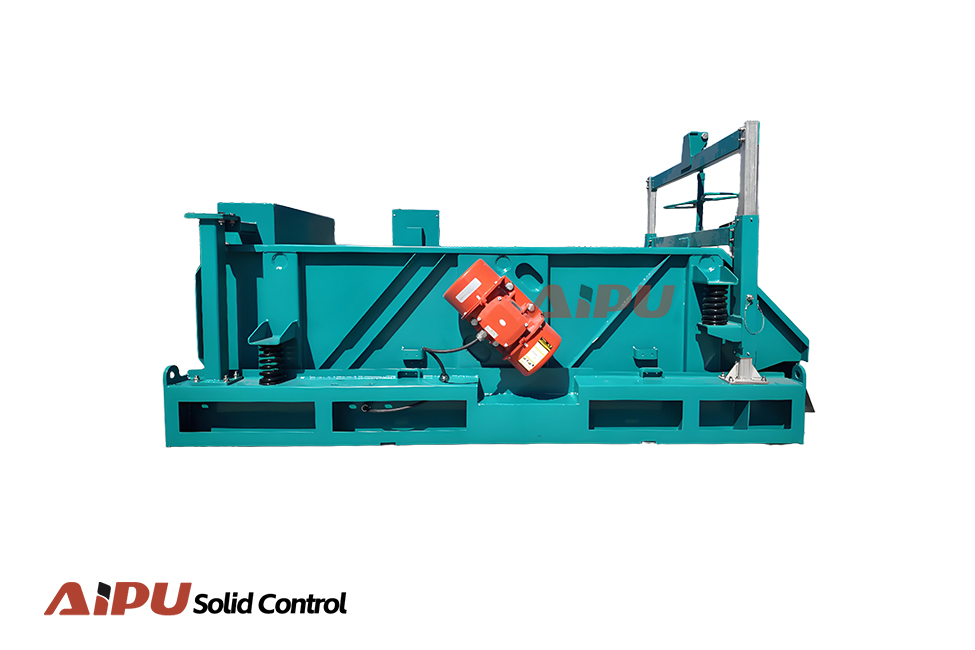
- Dual-Motion Capability: AIPU’s Hunter-MGD model switches between linear motion (for high throughput) and elliptical motion (for sticky solids), adapting to changing drilling conditions.
- Customization Options: Clients can select motor brands (Ital-Vibras/Martin/Oli), screen materials (steel/composite frames), and certifications (ATEX/UL) for hazardous zones.
- High-Capacity Designs: Models like the Hunter-MG5 handle 180 m³/h with a 3.8 m² screen area, ideal for deep-well projects.
Conclusion
A shale shaker is far more than a simple sieve—it is the cornerstone of efficient drilling operations. By ensuring clean, reusable mud and reducing waste, it safeguards both operational budgets and the environment. With manufacturers like AIPU pushing the boundaries of vibration technology and durability, shale shakers continue to evolve as indispensable tools for the energy industry.
If you are interested in our solid control equipment and systems, you can contact us through info@aipusolidcontrol.com Contact Us
