
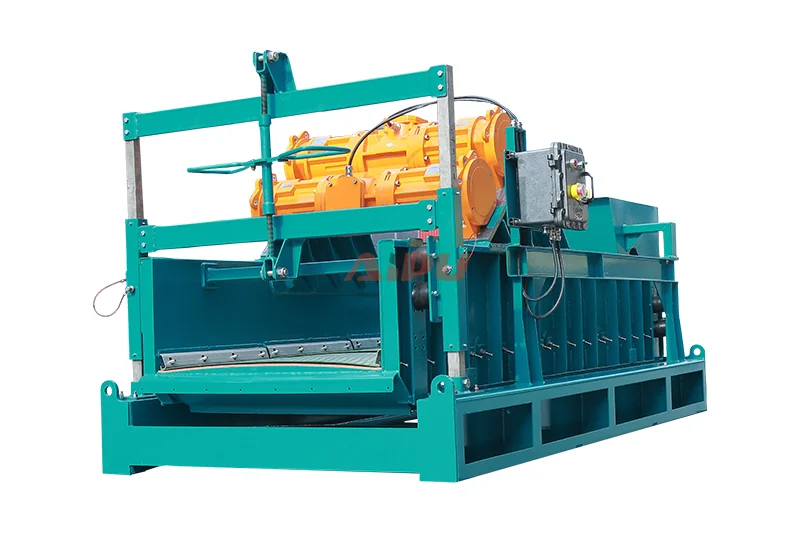
Systematic troubleshooting of an API certified shale shaker benefits from the comprehensive documentation and quality baseline that certification provides. Aipu Solids Control supports operators with detailed troubleshooting resources for its API Q1 certified equipment.


Using Baseline Data for Effective Diagnosis
One of the key advantages of API certified equipment for troubleshooting is the availability of factory acceptance test data. Every Aipu shaker is delivered with documented baseline measurements of vibration amplitude, frequency, motor current draw, and other key parameters. When a performance issue arises, comparing current measurements to these baseline values quickly identifies what has changed and points toward the likely cause. This data-driven approach is far more efficient than guesswork and helps rig personnel resolve issues faster.
Vibration-Related Issues
Abnormal vibration, whether excessive, insufficient, or uneven, is one of the most common categories of shaker problems. Start by measuring vibration at multiple points on the deck and comparing to baseline. If vibration is low or absent on one side, check the corresponding motor for power supply, bearing condition, and mounting integrity. If vibration is present but uneven, verify that both motors are operating and that mounting bolts are properly torqued. Unusual noise accompanying vibration changes often indicates bearing wear. Aipu documentation includes vibration troubleshooting flowcharts that guide operators through systematic diagnosis.
Throughput and Separation Quality Issues
When the shaker is not handling expected flow rates or separation quality has declined, investigate in order: screen condition, deck angle, flow distribution, and vibration parameters. Blinded or torn screens are the most common cause and the easiest to fix. Check that the deck angle has not drifted from the optimal setting. Verify even flow distribution across the deck. If these are correct, measure vibration and compare to baseline. A gradual decline in performance often indicates screen wear or vibration system degradation, while sudden changes typically indicate a specific component failure.
Electrical and Control Problems
Intermittent operation, breaker trips, or control system faults require methodical electrical troubleshooting. Start at the power supply, verifying voltage and phase balance. Check all connections for tightness and signs of overheating. Test safety interlocks and emergency stop circuits. For variable frequency drives, verify parameter settings. The comprehensive electrical documentation provided with Aipu API certified shakers includes wiring diagrams, component specifications, and troubleshooting procedures that guide even complex electrical diagnosis.
Get expert troubleshooting support. Contact Aipu at info@aipusolidcontrol.com for technical assistance with any shale shaker issues. Our team is ready to help you diagnose and resolve problems quickly.
If you are interested in our solid control equipment and systems, you can contact us through info@aipusolidcontrol.com Contact Us
