
The environmental policy governing shale shaker equipment manufacturing at Aipu Solids Control establishes the principles, commitments, and framework for environmental management across all company operations. This policy reflects Aipu values and provides direction for environmental performance improvement.
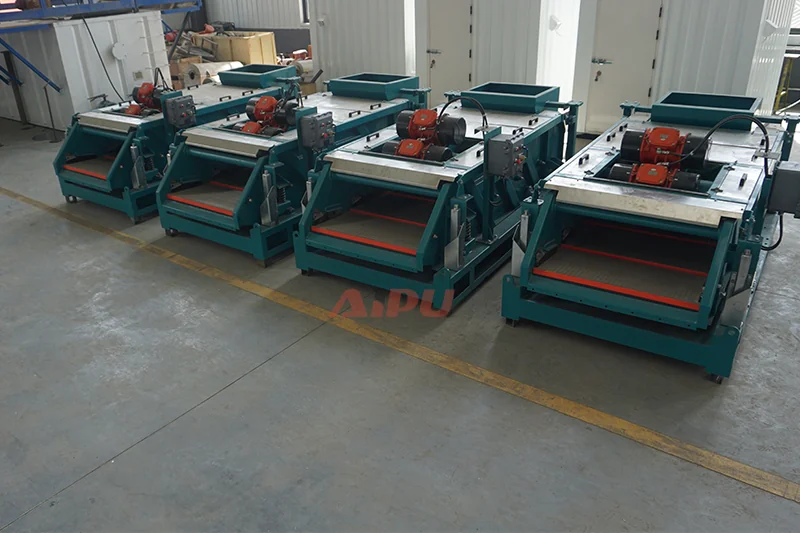

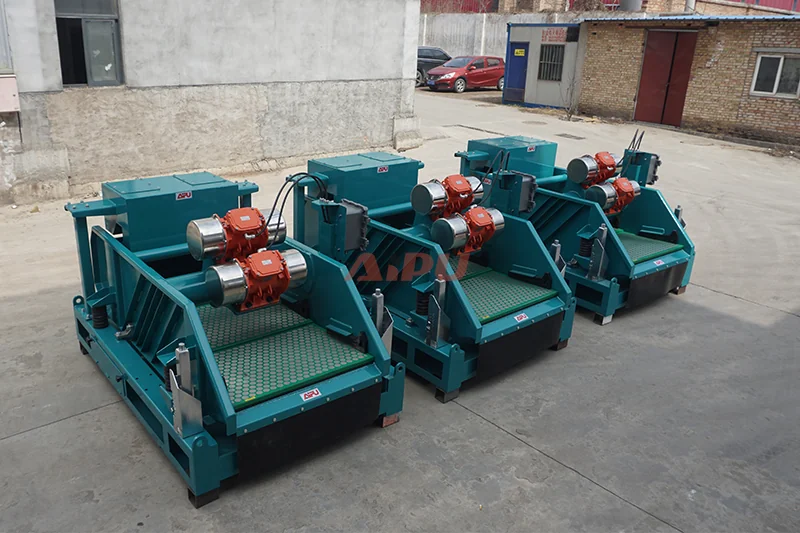
An effective environmental policy is more than aspirational statements—it establishes specific commitments that guide decision-making and provide accountability for environmental performance. Aipu environmental policy, integrated with the ISO 14001 certified environmental management system, defines how the company approaches environmental responsibility in manufacturing, product design, supply chain management, and customer support.
Policy Commitments
Aipu environmental policy commits to compliance with all applicable environmental laws, regulations, and other requirements. This compliance commitment extends beyond legal minimums to include customer environmental requirements and voluntary commitments that reflect Aipu values. The policy also commits to pollution prevention through systematic identification and management of environmental aspects of manufacturing operations, continuous improvement of environmental performance through objectives, targets, and management programs, and protection of the environment including prevention of pollution specific to manufacturing operations. These commitments are implemented through the documented environmental management system and verified through internal and external audits.
Environmental Aspects Management
The policy requires systematic identification and management of environmental aspects—elements of activities, products, or services that interact with the environment. For Aipu manufacturing, significant aspects include energy consumption from fabrication and machining operations, waste generation including metal scrap and packaging materials, emissions from welding, painting, and coating operations, water usage and wastewater from manufacturing processes, and hazardous material storage and handling. Each significant aspect has defined operational controls, monitoring requirements, and improvement objectives. This systematic approach ensures that environmental impacts are managed proactively rather than addressed reactively.
Product Environmental Considerations
Aipu environmental policy extends to product design and lifecycle considerations. Product durability reducing replacement frequency and associated environmental impacts of manufacturing is a design objective. Material selection favoring recyclable materials supports end-of-life recovery objectives. Manufacturing process design minimizing energy consumption and waste generation contributes to production environmental performance. Packaging design reducing material usage while maintaining protective function addresses waste generation. These product-related considerations ensure that environmental responsibility is built into equipment design, not added after the fact.
Stakeholder Communication and Transparency
Aipu environmental policy commits to communication with interested parties including employees, customers, regulators, and the community. Internal communication ensures that all employees understand their environmental responsibilities. External communication provides customers and other stakeholders with information about Aipu environmental performance. The policy is publicly available and communicated within the organization. This transparency builds trust and demonstrates the seriousness of Aipu environmental commitment.
Partner with Aipu for certified quality. Contact us at info@aipusolidcontrol.com to discuss your requirements and discover the Aipu difference in API Q1 certified solids control equipment.
If you are interested in our solid control equipment and systems, you can contact us through info@aipusolidcontrol.com Contact Us
