
Cold weather drilling operations present unique challenges for shale shaker equipment, requiring specialized maintenance practices and operational procedures to maintain reliability in sub-zero conditions. Aipu Solids Control provides cold-weather equipment specifications and support to help operators maintain solids control performance even in the harshest winter environments.


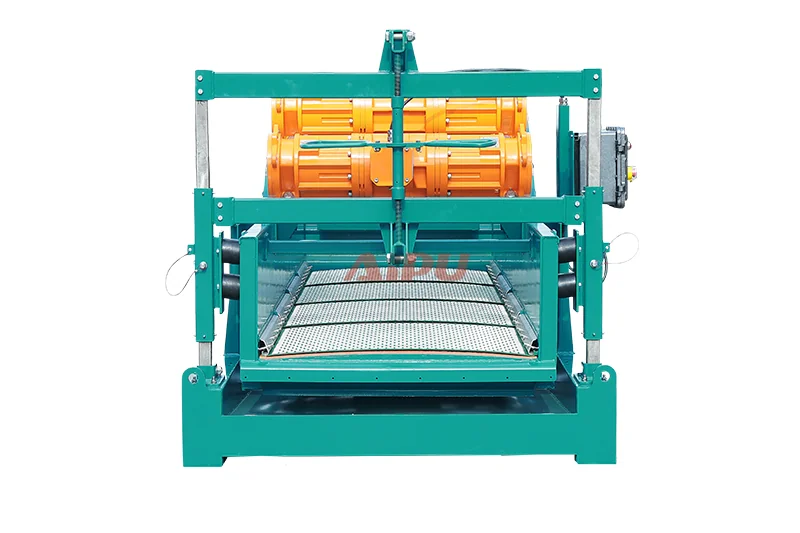
Cold Weather Effects on Equipment
Low temperatures affect shaker equipment in multiple ways. Lubricants thicken, increasing motor starting torque and potentially causing overload trips. Rubber components including seals, gaskets, and isolation mounts become stiff and brittle, increasing the risk of cracking. Metal components contract and can develop increased clearances in bolted joints. Ice formation on screen panels can severely reduce screening area and unbalance the basket. Drilling fluids, particularly oil-based muds, become more viscous in cold conditions, changing flow characteristics across the screen deck. Aipu addresses these factors through material specification, cold-weather options, and maintenance procedures.
Cold-Weather Preparation
Preparation before cold weather sets in is essential. All lubrication should be changed to low-temperature grades meeting manufacturer specifications for the expected minimum ambient temperature. Battery backup systems for control electronics should be tested — cold temperatures reduce battery capacity significantly. Heat tracing or insulation should be applied to fluid lines that could freeze during shutdown. Screen inventory should include spare panels, as cold-brittle screens are more susceptible to impact damage. Shelter structures or wind breaks around the shaker area reduce wind chill effects on both equipment and crew. Aipu can supply cold-weather specification equipment with low-temperature lubricants, arctic-grade seals, and winterization packages.
Winter Operating Practices
Cold weather operation requires modified practices. Motors should be jogged briefly before full startup to distribute cold-thickened grease. Longer warm-up periods should be allowed before applying full load. Screens should be inspected more frequently for ice accumulation and mechanical damage. Deck angle may need adjustment to compensate for increased fluid viscosity at low temperatures. Equipment should not be shut down with wet solids on the screens, as freezing will lock the solids to the screen surface. Drain points should be opened during extended shutdowns to prevent freeze damage. Aipu provides winter operations training and field support to help crews maintain effective solids control throughout the cold season.
Choose Aipu for API Q1 certified quality. Contact us at info@aipusolidcontrol.com to discuss your shale shaker equipment requirements and discover why drilling professionals worldwide rely on Aipu solids control solutions.
If you are interested in our solid control equipment and systems, you can contact us through info@aipusolidcontrol.com Contact Us
