
Safe operation of solids control shale shaker equipment requires understanding the mechanical hazards inherent in high-energy vibrating machinery, implementing proper operating procedures, and maintaining a safety-focused work culture. Aipu Solids Control provides comprehensive safety guidance with every shaker to protect operators and maintain safe, productive operations.
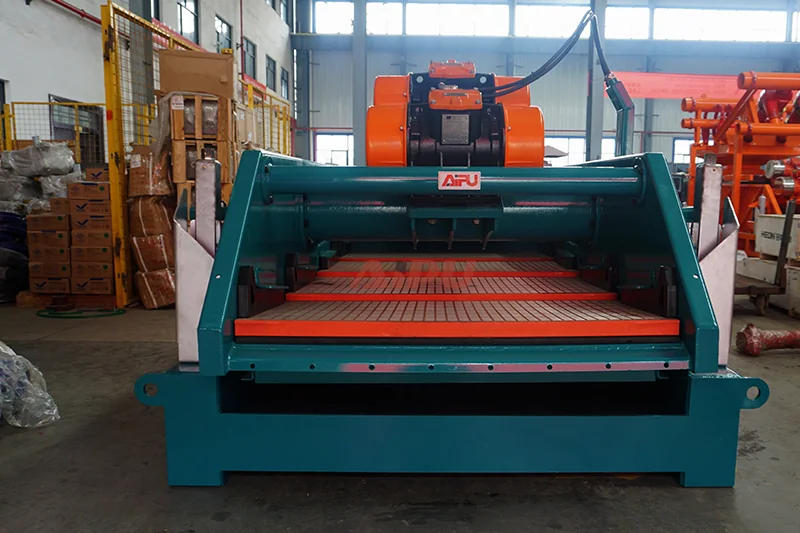


The primary hazards associated with shale shaker operation include rotating and vibrating components, electrical energy, high-pressure fluid systems, and the physical environment of the drilling location. Aipu shakers incorporate safety features that address each of these hazard categories, but operator awareness and proper procedures remain essential elements of a safe workplace. Before starting operations, verify that all guards are properly installed over rotating components and belt drives, that electrical connections are secure with functional ground fault protection, and that safety interlocks operate correctly. Aipu equipment includes safety interlocks on access panels and belt guards as standard, preventing operation when guards are removed.
Operational Safety Procedures
During normal operation, personnel should maintain safe distance from the vibrating deck and not attempt any adjustments, cleaning, or inspection while the shaker is running. Screen changes—the most frequent maintenance activity—should follow a documented lockout-tagout procedure: stop the shaker, isolate electrical power, verify zero energy state, then proceed with the change. Aipu quick-change screen design minimizes the duration of personnel exposure during this necessary activity. Deck angle adjustments, available from minus 1 degree to plus 5 degrees on Hunter series shakers, use tool-free mechanisms that are designed for safe adjustment while the shaker is stopped. Never attempt to clear cuttings buildup or adjust screens while the shaker is in operation.
Maintenance and Inspection Safety
All maintenance activities require strict adherence to lockout-tagout procedures. Aipu provides documented maintenance procedures with safety steps integrated into each task. Periodic inspection of vibration isolation springs, motor mounting bolts, and structural welds should be conducted with the shaker stopped and locked out. Electrical maintenance should be performed by qualified personnel familiar with the hazardous area classifications that may apply at the installation location. With over 15 years of manufacturing experience and API Q1 certified quality systems, Aipu equipment is designed and documented to support safe operation throughout its service life. The comprehensive documentation package provided with each shaker includes safety procedures, maintenance schedules, and troubleshooting guides that help operators maintain a safe working environment.
Partner with Aipu for certified quality. Contact us at info@aipusolidcontrol.com to discuss your requirements and discover the Aipu difference in API Q1 certified solids control equipment.
If you are interested in our solid control equipment and systems, you can contact us through info@aipusolidcontrol.com Contact Us
