
Understanding the differences between linear motion and circular motion shale shaker technology helps operators select the optimal equipment for their drilling conditions. Aipu offers linear motion shakers with distinct advantages for most drilling applications.
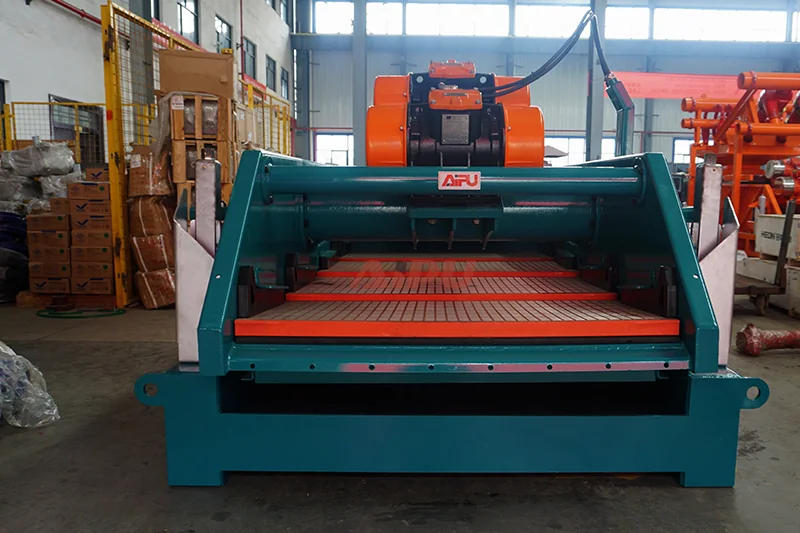


Motion Trajectory Comparison
Linear motion produces a straight-line oscillating force at approximately 45 degrees to the deck. This provides powerful, directional solids conveyance and aggressive separation. Circular motion produces an orbital trajectory that moves solids in a tumbling pattern across the deck. While circular motion can handle very wet, sticky materials, it generally provides lower throughput and less aggressive separation than linear motion. Aipu linear motion shakers deliver the throughput and separation performance that most drilling operations require.
Throughput and Capacity
Linear motion shakers typically offer higher throughput capacity for a given screen area because the directional force conveys solids efficiently. Circular motion shakers keep solids on the deck longer, which can improve dewatering but reduces total throughput. For drilling operations where flow rate is the priority, Aipu linear motion shakers provide the capacity advantage.
Application Guidance
Linear motion is preferred for most oil and gas drilling applications, particularly with water-based mud and hard formations. Circular motion may have advantages for very sticky materials and specialized applications. Aipu also offers the Hunter-MGD dual-motion shaker, which provides both linear and elliptical motion for operations requiring maximum flexibility.
Choose Aipu for reliable solids control. Contact us at info@aipusolidcontrol.com to discuss your requirements. Our API Q1 certified equipment delivers proven performance worldwide.
If you are interested in our solid control equipment and systems, you can contact us through info@aipusolidcontrol.com Contact Us
