
Optimizing shale shaker equipment performance delivers measurable improvements in solids control efficiency and drilling operations. Aipu Solids Control, with over 15 years of specialized manufacturing experience, provides practical optimization tips for maximizing the return on investment in shale shaker equipment across all types of drilling programs.
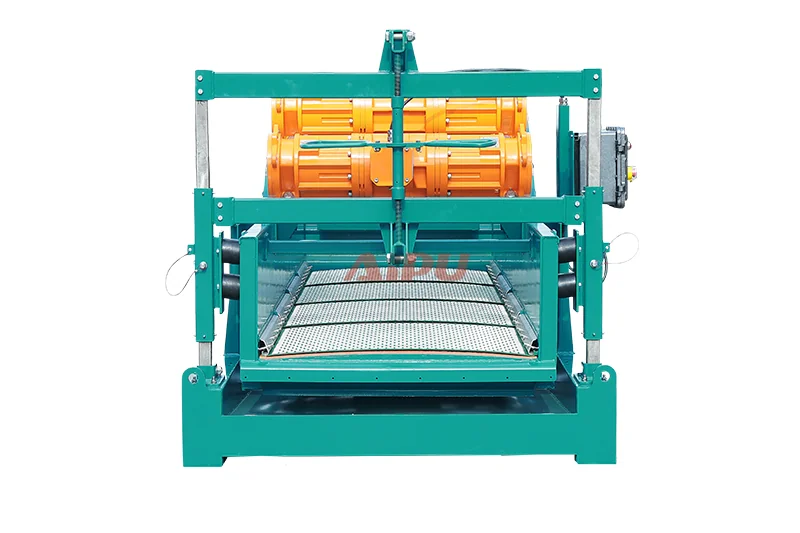

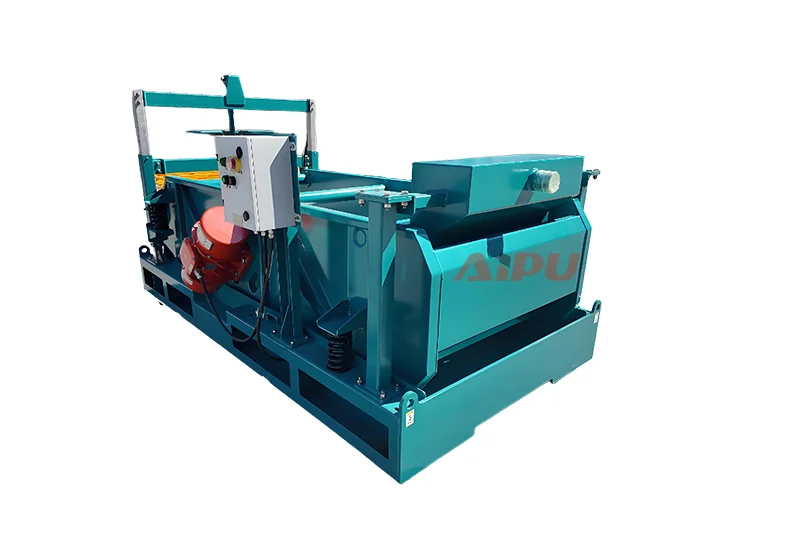
The first optimization priority is screen selection and maintenance. Screen mesh size must match the formation characteristics and drilling objectives. Overly fine screens in high-rate surface hole sections blind rapidly and reduce throughput, while overly coarse screens allow excessive fine solids to remain in the drilling fluid. Aipu recommends progressive screen configurations, placing coarser screens at the feed end where the highest solids loading occurs and progressively finer screens toward the discharge end. This configuration maximizes both throughput and separation quality by distributing the solids load appropriately across the screen deck. Regular screen inspection and timely replacement of damaged or blinded screens is the single most effective maintenance activity for maintaining optimized performance. The quick-change screen system on Aipu Hunter series shakers reduces screen change time to minutes, encouraging the frequent inspection that maintains peak efficiency.
Vibration adjustment is a critical optimization parameter that many operators underutilize. Aipu Hunter series shakers, equipped with premium vibrating motors from Ital-Vibras, Martin, and Oli operating at 6.0G to 7.5G of acceleration, provide vibration intensity adjustment through eccentric weight positioning. Higher G-force settings improve cuttings conveyance speed and fluid drainage, which benefits high-rate drilling and viscous mud systems. Lower G-force settings can extend screen life and reduce power consumption on cleaner, lower-volume fluid streams. Deck angle adjustment from minus 1 degree to plus 5 degrees provides independent control over cuttings conveyance. Steeper angles increase conveyance speed for high solids loads, while flatter angles improve fluid retention for dewatering sticky cuttings. Operators should adjust these parameters as formation and circulation conditions change rather than using a single fixed setting for the entire well.
Flow distribution across the screen deck significantly affects effective screening area. Aipu’s feed distribution systems are designed to spread incoming flow evenly across the full screen width, but operators should verify that flow remains well-distributed during operation. Uneven distribution causes premature wear on the most heavily loaded screen areas while leaving other areas underutilized. The weir-type distribution header should be checked for debris accumulation that can disrupt flow patterns. Finally, preventive maintenance according to the manufacturer’s schedule—including motor bearing inspection, spring or mount condition verification, and electrical connection checks—prevents the gradual performance degradation that accumulates from neglected maintenance. Aipu provides comprehensive maintenance documentation with each shaker and offers technical support for optimization planning. Equipment operating in more than 30 countries validates that these optimization practices deliver the performance and reliability that efficient drilling operations depend on.
Trust Aipu for API Q1 certified solids control. Contact us at info@aipusolidcontrol.com to discuss your shale shaker equipment requirements and experience the performance that defines Aipu equipment worldwide.
If you are interested in our solid control equipment and systems, you can contact us through info@aipusolidcontrol.com Contact Us
