
Energy efficiency in shale shaker operation reduces operating costs and environmental impact while potentially extending equipment life. Aipu Solids Control designs its Hunter series shakers with efficiency considerations built into the engineering, and operators can further optimize energy consumption through informed practices.

Motor Efficiency and Selection
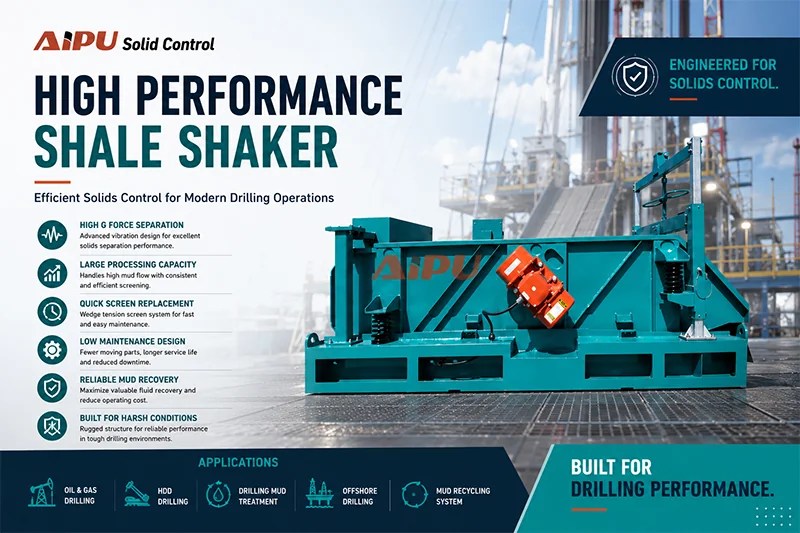
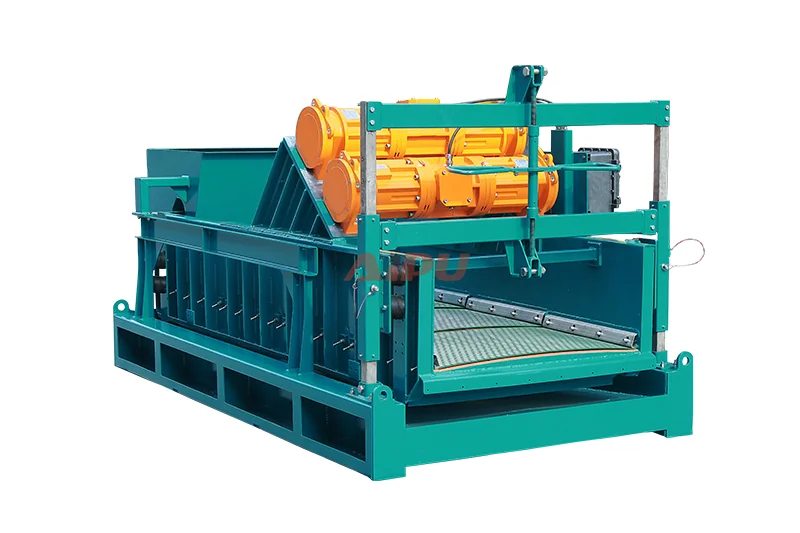
The vibrating motors are the primary energy consumers on a shale shaker, typically drawing 1.5 to 3.7 kilowatts each depending on the model. Aipu equips its shakers with premium-efficiency motors from Ital-Vibras, Martin, and Oli, which convert a higher percentage of electrical input into useful vibration energy. These motors operate at the IE3 premium efficiency level or equivalent, delivering more separation work per kilowatt-hour than standard motors. Dual-motor Aipu shakers are factory-balanced so that motors share the load equally, preventing one motor from working harder and consuming disproportionate energy while the other underperforms. Properly balanced operation not only saves energy but also extends motor life by eliminating uneven wear.
Operational Factors Affecting Energy Efficiency
Several operational choices affect energy consumption. Running at unnecessarily high G-force when lower settings would suffice wastes energy and accelerates screen wear. Match G-force to actual conditions—reserve the 7.0G to 7.5G range for heavy solids loading and high-viscosity mud, while operating at 6.0G to 6.5G for lighter loading conditions. Screen selection also matters. Blinded screens increase back-pressure and may cause operators to compensate with higher G-force, compounding energy waste. Keeping screens clean and properly tensioned maintains efficient operation at lower energy settings. Proper deck angle reduces the energy required for cuttings conveyance. Too shallow an angle requires the motors to work harder to move solids; too steep wastes energy accelerating cuttings that would move adequately at a moderate angle.
System-Level Efficiency
The shale shaker’s efficiency affects the entire solids control system. Effective solids removal at the shaker stage reduces the load on downstream equipment—desanders, desilters, centrifuges—which also consume energy. By removing the maximum practical volume of solids at the first processing stage, Aipu shakers reduce the total system energy consumption. The API Q1 certified manufacturing quality of Aipu equipment ensures that shakers maintain their designed efficiency over years of operation, avoiding the gradual efficiency loss that occurs with lower-quality equipment. Regular maintenance, particularly checking motor mounting bolt torque and vibration isolation condition, preserves the mechanical efficiency designed into the equipment.
Partner with Aipu for certified quality. Contact us at info@aipusolidcontrol.com to discuss your requirements and discover the Aipu difference in API Q1 certified solids control equipment.
If you are interested in our solid control equipment and systems, you can contact us through info@aipusolidcontrol.com Contact Us
