
A comprehensive cost analysis of solids control shale shaker equipment must consider more than the initial purchase price. Aipu Solids Control helps customers evaluate total cost of ownership, including purchase cost, operating expenses, consumable consumption, maintenance requirements, and expected service life.
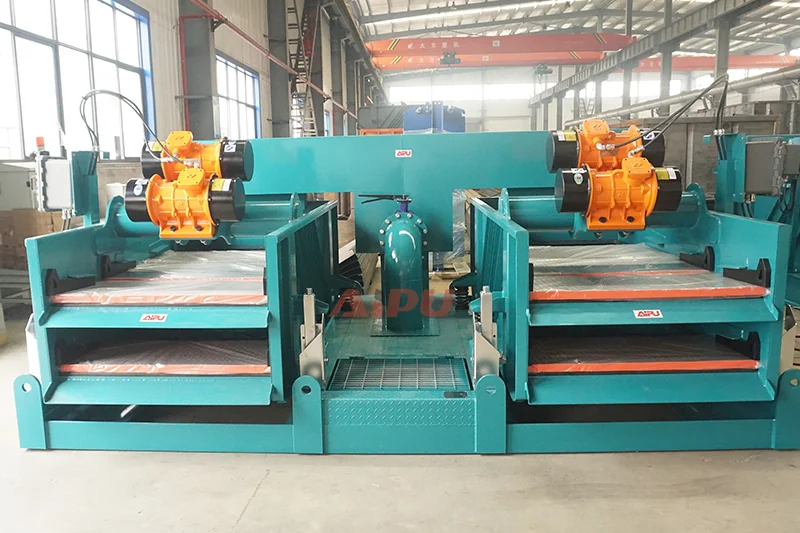

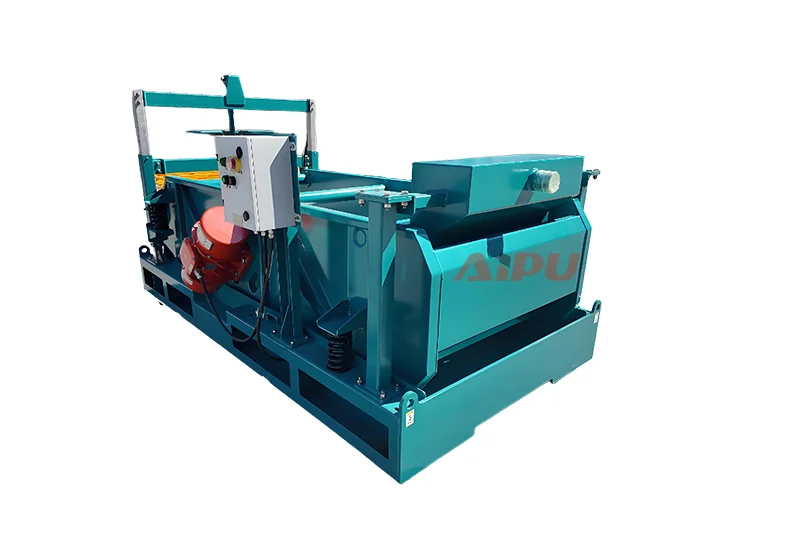
The initial purchase price of a shale shaker represents only a fraction of its total lifecycle cost. Over a typical 10-year service life, operating costs—primarily screen consumption, electricity, and maintenance—can exceed the purchase price several times over. Understanding these costs enables informed equipment selection that optimizes long-term value rather than simply minimizing upfront expenditure. Aipu approach to cost analysis considers each category systematically, providing customers with the information needed to make sound investment decisions.
Screen Consumption: The Dominant Operating Cost
Screen replacement is typically the largest ongoing operating expense, potentially accounting for 40 to 60 percent of annual operating costs depending on drilling conditions and screen specifications. Aipu shakers minimize screen consumption through several design features: balanced vibration that produces even wear across the screen surface, precision deck rails that provide uniform screen support, and adjustable G-force settings (6.0G to 7.5G) that allow operators to reduce screen loading when conditions permit. Selecting appropriate screen mesh sizes and frame materials for the specific drilling conditions also significantly affects consumption rates. Aipu provides screen performance data to help customers optimize their screen strategy.
Energy and Maintenance Costs
Vibration motor electricity consumption is relatively modest but accrues continuously throughout the service life. Aipu uses efficient premium-brand motors from Ital-Vibras, Martin, and Oli that minimize energy consumption for the required G-force output. Regular maintenance costs—including bearing lubrication, bolt retorquing, and periodic structural inspection—are predictable and manageable with proper procedures. The API Q1 certified quality of Aipu manufacturing reduces the probability of unexpected major repairs that disrupt budgets and operations.
Lifecycle Value Assessment
When evaluating total cost of ownership, the purchase price difference between API Q1 certified Aipu equipment and lower-cost alternatives is typically recovered within the first year of operation through lower screen consumption, reduced downtime, and extended service life. With over 15 years of experience, manufacturing from a 50,000 square meter Xi’an facility, and equipment in more than 30 countries, Aipu has the data to support credible lifecycle cost projections. The Hunter series capacities from 50 to 420 cubic meters per hour ensure that customers can select the most cost-effective model for their specific requirements.
Partner with Aipu for certified quality. Contact us at info@aipusolidcontrol.com to discuss your requirements and discover the Aipu difference in API Q1 certified solids control equipment.
If you are interested in our solid control equipment and systems, you can contact us through info@aipusolidcontrol.com Contact Us
