
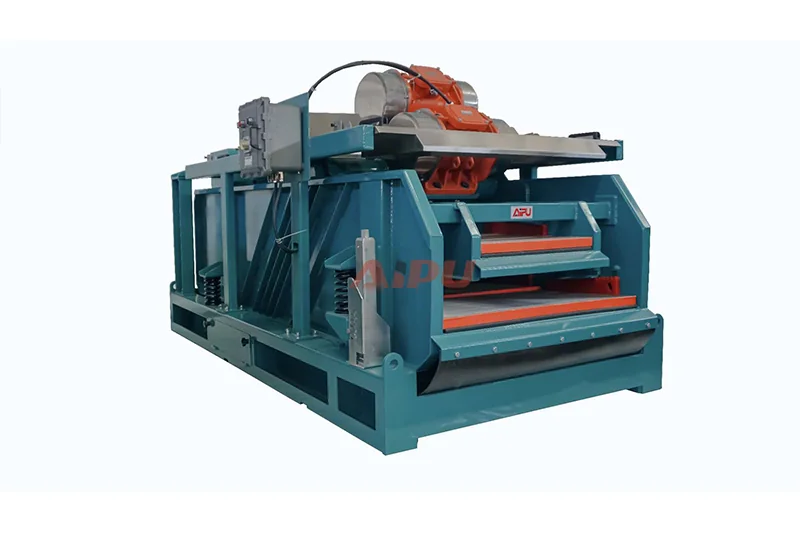
The difference between an API certified shale shaker and a standard, non-certified unit goes beyond a certificate on the wall. Aipu Solids Control, as an API Q1 certified manufacturer, builds shale shakers that differ fundamentally in their design rigor, manufacturing quality, and documented performance.


Design Process: Rigor vs. Experience
API certified shale shakers are designed under a formal, documented design control process that includes design inputs, design review, design verification, and design validation. This process ensures that every design decision is traceable to a defined requirement and has been reviewed and verified. Standard shakers may be designed based on experience and engineering judgment alone, without the formal documentation and independent review that API certification requires. The API design process at Aipu means that structural analyses are documented, vibration calculations are verified, and safety factors are explicitly defined and confirmed, not simply assumed based on past practice.
Manufacturing: Consistency vs. Variability
API Q1 certification requires documented manufacturing procedures, qualified personnel, calibrated equipment, and in-process inspection. Aipu welders are qualified to documented procedures, and critical welds are inspected using specified methods. Machining operations use calibrated equipment with documented setup procedures. Electrical assembly follows approved work instructions with defined inspection points. Standard manufacturing may achieve good quality on some units but typically lacks the systematic controls that ensure every unit meets the same standard. With API certified Aipu equipment, the fifth shaker off the production line is built to the same standard as the first.
Testing: Verified vs. Assumed Performance
Every API certified Aipu shale shaker undergoes documented factory acceptance testing before shipment. This testing verifies that the vibration system produces the specified G-force and frequency, that the electrical system functions correctly under load, and that all safety systems operate as designed. Standard equipment may receive only a basic functional check, with performance assumed rather than verified. The difference becomes apparent in the field, where an API certified shaker arrives ready to operate at full performance on day one, while a standard shaker may require commissioning adjustments to achieve its specified output.
Documentation: Complete vs. Basic
The documentation package for an API certified Aipu shale shaker includes material test reports for the major structural components, calibration certificates for testing equipment, inspection records from manufacturing, and a factory acceptance test report. This documentation supports regulatory compliance, project auditing, and equipment resale. Standard equipment typically includes only basic operating manuals and warranty documents, making it more difficult to demonstrate compliance with project quality requirements or to investigate the root cause of any issues that arise.
Partner with Aipu for API-certified solids control excellence. Contact us at info@aipusolidcontrol.com to discuss your shale shaker requirements and discover the quality difference that API certification makes.
If you are interested in our solid control equipment and systems, you can contact us through info@aipusolidcontrol.com Contact Us
