
Achieving the best results from shale shaker equipment requires understanding how to adjust operating parameters to match changing drilling conditions. Aipu Solids Control designs its Hunter series shakers with the adjustability that operators need to optimize performance throughout the well.

Deck Angle Adjustment Strategy
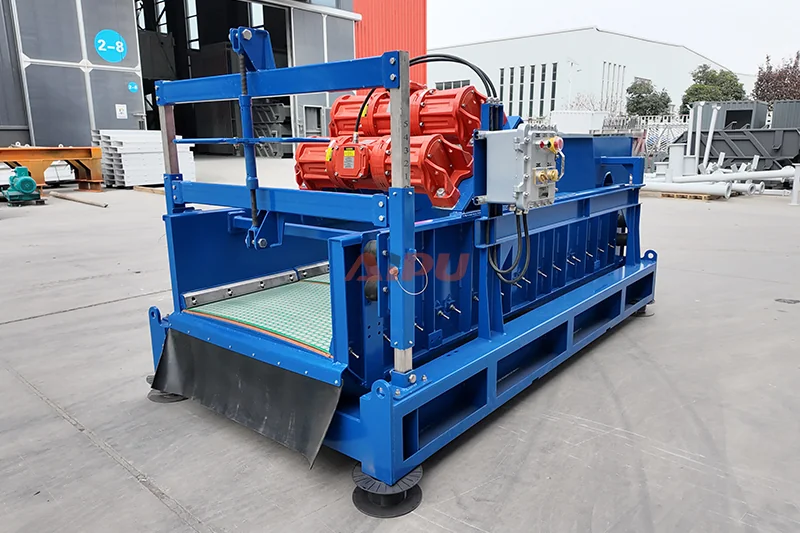
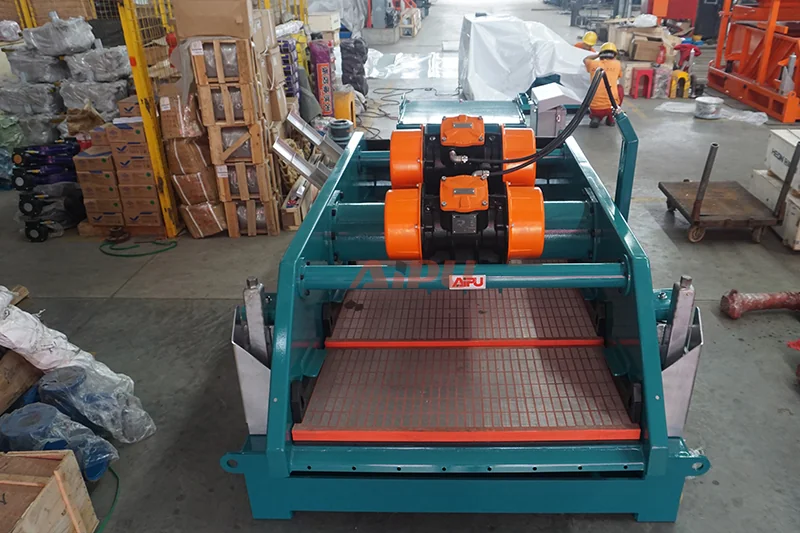
Deck angle is the most frequently adjusted parameter. Aipu shakers offer tool-free adjustment from minus 1 degree to plus 5 degrees on most models. Use steeper angles when processing high flow rates, encountering sticky clays that blind screens, requiring drier cuttings discharge, or when fluid recovery is adequate. Use shallower angles when mud viscosity is high and needs more drainage time, cuttings are fine and need extended separation, fluid losses are excessive, or the aim is maximizing fluid recovery. Aipu design makes angle adjustment quick and practical during ongoing operations.
Motion Type Selection
On Aipu Hunter-MGD dual-motion shakers, operators can select between linear and elliptical motion. Linear motion provides efficient conveyance and is preferred for hard formations producing granular cuttings and water-based muds where cuttings don’t stick. Elliptical motion provides additional lift that helps unstick sticky clays and is preferred for reactive shales producing sticky cuttings and oil-based muds with surface tension. The ability to switch motion types without equipment changes provides significant operational flexibility.
Screen Mesh Selection
Progressive screen strategy is key to best results. Start coarser at API 40 to API 60 mesh for surface hole where cuttings are large and throughput is priority. Move to API 80 to API 120 mesh for intermediate sections where balancing throughput and separation matters. Finish with API 150 to API 200 mesh for production zones where protecting the formation is critical. Aipu quick-change screen system supports this progressive strategy, allowing screen changes in minutes.
Matching Adjustments to Conditions
Monitor cuttings discharge for clues about adjustment needs. Wet, heavy cuttings suggest reducing deck angle or switching to finer screens. Mud pooling on the screen suggests increasing angle or switching to coarser screens. Excessive screen blinding suggests increasing G-force intensity or switching motion type if dual-motion is available. Aipu comprehensive documentation provides detailed adjustment guidance for common drilling conditions, and our technical support team is available to assist with optimization.
Partner with Aipu for certified quality. Contact us at info@aipusolidcontrol.com to discuss your requirements and discover the Aipu difference in API Q1 certified solids control equipment.
If you are interested in our solid control equipment and systems, you can contact us through info@aipusolidcontrol.com Contact Us
