
Proper cleaning of shale shaker equipment after drilling operations is essential for equipment longevity, corrosion prevention, and readiness for the next job. Aipu Solids Control recommends comprehensive cleaning procedures developed from over 15 years of manufacturing experience and field feedback from operations in more than 30 countries.
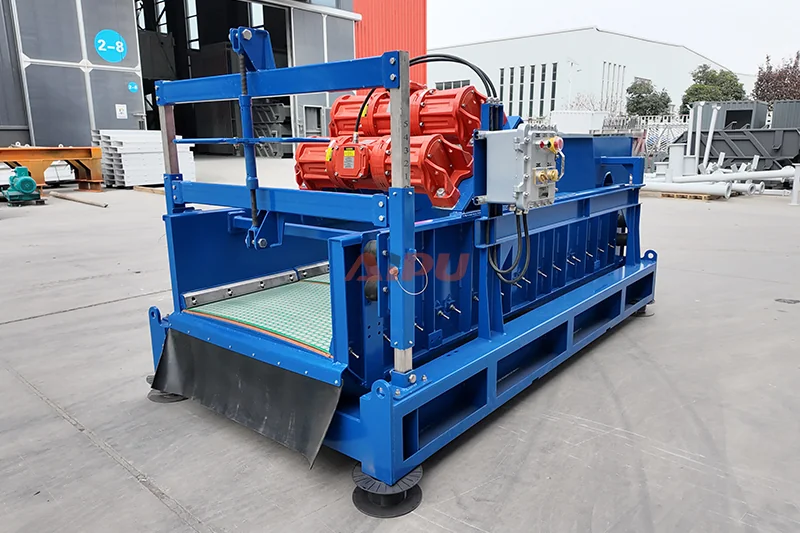

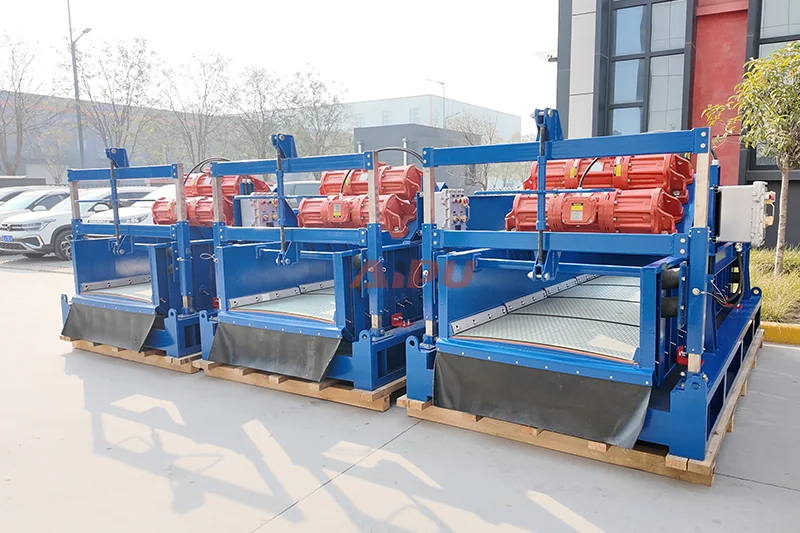
The cleaning process should begin immediately after drilling operations conclude, while drilling fluid residues are still fresh and more easily removed. Start by flushing the entire shaker system with water or a compatible cleaning fluid, running the shaker at reduced vibration to help dislodge accumulated solids. Remove all screen panels for separate cleaning, which is a critical step because drilling fluid trapped between screen backing and frame can dry into hard deposits that are extremely difficult to remove. Aipu Hunter series shakers feature a quick-change screen system that makes screen removal fast and straightforward, encouraging thorough cleaning rather than shortcuts that leave residues behind.
Screen cleaning requires special attention because damaged screens cannot be repaired and must be replaced. Use soft brushes and mild cleaning solutions appropriate for the screen material—avoid wire brushes or abrasive tools that can damage the screen mesh or frame. For composite frame screens, ensure cleaning products are compatible with the composite material. Stainless steel screens can tolerate more aggressive cleaning but still benefit from gentle treatment. After cleaning, inspect each screen for damage including tears, holes, delamination, or frame cracks. Store cleaned screens flat and protected from physical damage and direct sunlight. Aipu provides both stainless steel and composite screen options for Hunter series shakers, with cleaning recommendations appropriate for each type.
The shaker basket and feed system require thorough cleaning of all surfaces exposed to drilling fluid. Pay particular attention to corners, under-screen areas, and the collection sump where solids tend to accumulate. High-pressure water washing is effective for most surfaces, but avoid directing high-pressure spray at electrical components, motor ventilation openings, or bearing seals. Clean the feed box or distribution header thoroughly, removing any accumulated solids that could affect flow distribution during the next use. Inspect vibration isolation elements for accumulated debris or chemical exposure that could degrade rubber compounds. Aipu shakers, manufactured in our 50,000 square meter Xi’an facility, are designed with accessible cleaning points and drainage provisions that facilitate thorough wash-down.
Electrical systems require careful cleaning using appropriate methods that do not introduce moisture into connections or enclosures. Wipe electrical panels, motor junction boxes, and cable connections with dry cloths—never direct water spray at electrical components. After cleaning, run the shaker briefly on water to flush residual cleaning solutions from the fluid passages, then allow complete drying before covering or storing. Apply protective coatings to exposed metal surfaces as appropriate for the storage environment. Aipu’s API Q1 certified manufacturing quality and comprehensive documentation provide guidance for complete equipment care that extends service life and maintains readiness for the next drilling program.
Partner with Aipu for certified quality. Contact us at info@aipusolidcontrol.com to discuss your requirements and discover the Aipu difference in API Q1 certified solids control equipment.
If you are interested in our solid control equipment and systems, you can contact us through info@aipusolidcontrol.com Contact Us
