
Proper installation of a shale shaker is essential for reliable operation and effective solids control. Aipu provides comprehensive installation guidance with every shaker, and following these procedures ensures that equipment performs to specifications from the first day of operation.

Pre-Installation Preparation
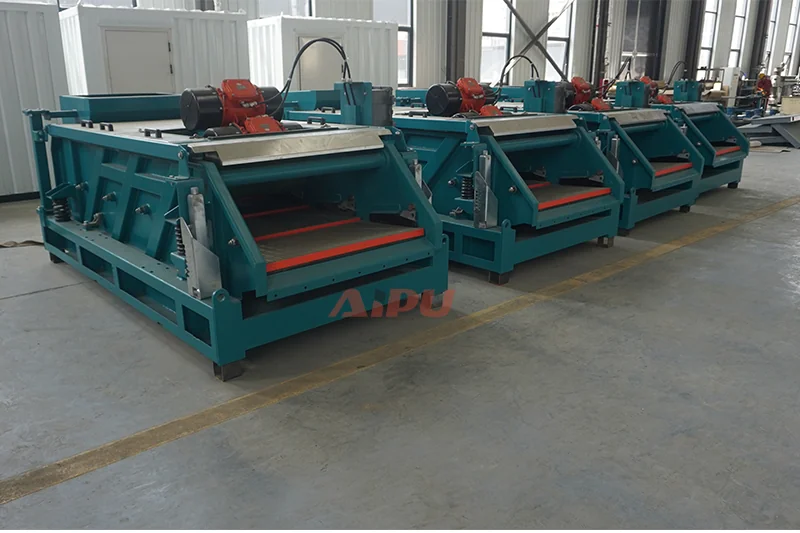
Before installation begins, verify that the foundation or rig structure can support the shaker’s operating weight plus dynamic loads from vibration. Aipu shakers like the Hunter-MG4 weigh approximately 2,500 kilograms and generate significant dynamic forces during operation. The mounting surface must be flat and rigid to prevent distortion that could affect vibration characteristics. Check that electrical supply matches shaker requirements—Aipu shakers can be configured for 380V/50Hz, 460V/60Hz, or other regional standards. Gather all lifting equipment, tools, and installation documentation before starting. Inspect the shaker for any shipping damage and verify that all components listed on the packing list are present.
Positioning and Leveling
Position the shaker so that the flowline from the wellbore aligns with the shaker inlet. The shaker should be accessible for operation and maintenance from all sides. Use precision leveling equipment to ensure the shaker is level in both longitudinal and transverse directions. Even slight deviations from level affect flow distribution across screens and can cause uneven wear. Bolt the shaker securely to its foundation using the mounting points provided. For offshore installations, additional tie-downs may be required to meet marine classification requirements.
Electrical Connection and Testing
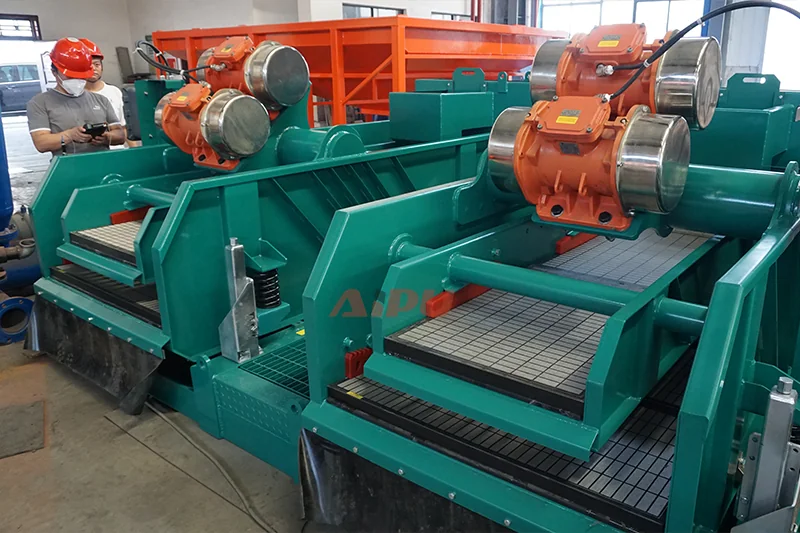
Electrical connections must be made by qualified personnel following Aipu wiring diagrams. Verify phase rotation before connecting motors—incorrect rotation with dual-motor shakers causes unbalanced vibration. Install appropriate overcurrent protection and emergency stop controls. Test motor rotation direction individually before running both motors together. After electrical connection, perform a dry run test. Run both motors and verify that vibration feels balanced and consistent. Check motor current draw on all phases. Record baseline vibration measurements for future diagnostic reference. After successful dry testing, the shaker is ready for operation. Aipu provides complete installation manuals and remote technical support for customers who need assistance during the installation process.
Partner with Aipu for certified quality. Contact us at info@aipusolidcontrol.com to discuss your requirements and discover the Aipu difference in API Q1 certified solids control equipment.
If you are interested in our solid control equipment and systems, you can contact us through info@aipusolidcontrol.com Contact Us
