
In the high-stakes environment of oil and gas drilling, the shale shaker is undeniably the most critical component of the solids control system. As the first line of defense, its efficiency directly dictates the longevity of downstream equipment and the overall cost of drilling fluid recovery. This guide delves into the working principles of oilfield shale shakers and provides a comprehensive operation manual. Furthermore, we will introduce industry-leading equipment from Aipu Solid Control that exemplifies these engineering principles.
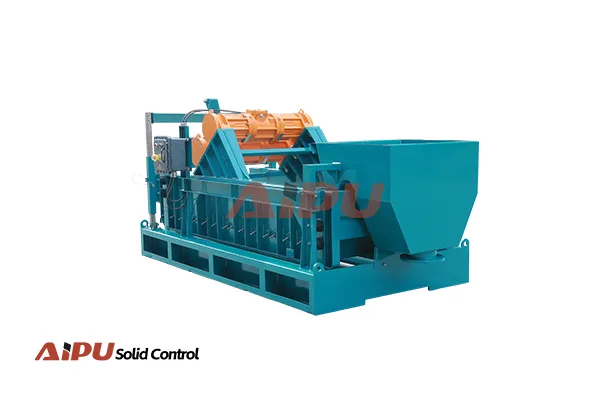

1. The Working Principle of an Oilfield Shale Shaker
At its core, a shale shaker is a vibrating screen designed to separate drilled cuttings from the drilling fluid (mud). The process relies on a combination of mechanical vibration, gravity, and fluid dynamics.
- Vibratory Motion: The shaker utilizes high-frequency vibrations generated by eccentric weights on vibrator motors. This motion can be linear, balanced elliptical, or circular, depending on the motor configuration. The vibration throws the drilled solids off the screen while allowing the liquid phase to pass through.
- Liquids-Solids Separation: As the drilling fluid flows onto the vibrating screen surface, the liquid and fine solids pass through the mesh openings. The coarser cuttings, which are too large to pass through, are transported across the screen surface by the vibratory motion and discharged over the end of the shaker.
- G-Force and Deck Angle: The separation efficiency is heavily influenced by the G-force (the force of gravity multiplied by the vibration intensity) and the deck angle (the uphill or downhill slope of the screen basket). Adjusting these parameters allows operators to optimize fluid recovery rates while preventing excessive fluid loss.

2. Shale Shaker Operation Guide
Proper operation and maintenance are paramount to maximizing the lifespan of your shaker and ensuring optimal solids control.
Pre-Startup Checklist
- Screen Inspection: Check the shaker screens for any tears, holes, or improper sealing. Ensure the quick-lock mechanisms (if equipped) are securely fastened.
- Mechanical Check: Verify that all bolts and tensioning devices are tight. Ensure the vibration motors are securely mounted and the electrical connections are sound.
- Lubrication: Confirm that the vibration motors are properly lubricated according to the manufacturer’s specifications.
Operational Best Practices
- Gradual Startup: Always start the shaker with the belt guard in place and ensure the area is clear of personnel. Allow the motors to reach full speed before introducing the drilling fluid.
- Monitor Fluid Distribution: Ensure the mud is evenly distributed across the entire width of the screen. Poor distribution leads to premature screen blinding and localized tearing.
- Deck Angle Adjustment: Fine-tune the deck angle based on the drilling rate and mud viscosity. A slight uphill angle (+5°) helps retain more fluid on the screen for better wet sieving, while a downhill angle (-1°) speeds up cuttings drying.
- Avoid Overloading: Do not exceed the maximum recommended flow rate. Overloading the shaker causes the mud to overflow the sidewalls, resulting in significant fluid loss.
Post-Operation Maintenance
- Thorough Cleaning: After shutting down the unit, clean the screens immediately to prevent dried mud from clogging the mesh.
- Wear Part Inspection: Regularly inspect the shaker bed, tensioning hooks, and rubber buffers for signs of excessive wear and replace them as necessary.
- Motor Bearing Care: Monitor the temperature of the vibration motor bearings. Excessive heat is a primary indicator of lubrication failure or impending bearing damage.
3. Spotlight: Aipu Hunter Series Shale Shakers
When it comes to reliability and cutting-edge design in solids control, Aipu Solid Control stands out with its decades of expertise. The Hunter Series embodies the perfect synergy of robust engineering and operational flexibility.
AIPU HUNTER-MG SHALE SHAKER
The Hunter-MG is engineered for superior primary solids separation. Its design focuses on maximizing throughput while minimizing operational costs.
- High Capacity & Efficiency: With models like the Hunter-MG4T offering a massive capacity of 420m³/h and a screen area of 8.1m², it handles the most demanding drilling environments with ease.
- Flexible Configuration: Operators can easily adjust the deck angle from -1° to +5° to adapt to changing mud properties. The quick-replace screen design significantly reduces downtime during screen changes.
- Premium Components: To ensure durability, the Hunter-MG uses high-quality raw materials and heat-treated wear parts. Customers can also opt for trusted international motor brands such as Ital-Vibras, Martin, or Oli.
AIPU HUNTER-MGD DUAL-MOTION SHALE SHAKER
For drilling operations that require adaptability, the Hunter-MGD offers an innovative solution.
- Dual-Motion Technology: Equipped with specialized motors, this shaker allows operators to effortlessly switch between Balanced Elliptical and Linear motion during operation. This unique feature ensures optimal performance regardless of the actual drilling conditions.
- Streamlined Design: Unlike conventional dual-motion shakers that require complex mechanical setups, the Hunter-MGD achieves this functionality with just two motors, representing an internationally advanced and highly reliable design concept. It is particularly popular among clients in Europe and the Middle East.
- Specifications: It delivers a robust capacity of 140m³/h with a G-force ranging from 6.0 to 7.0G, ensuring aggressive cutting conveyance and excellent liquid recovery.
Conclusion
Understanding the working principles and mastering the operation of shale shakers is essential for any drilling engineer aiming to optimize mud recovery and reduce waste. By implementing the operational guidelines outlined above and investing in proven, high-performance equipment like the Aipu Hunter Series, drilling operations can achieve higher efficiency, lower maintenance costs, and a safer working environment.
For more information on customized solids control solutions and the full range of Aipu products, feel free to contact our technical team.
If you are interested in our solid control equipment and systems, you can contact us through info@aipusolidcontrol.com Contact Us
