
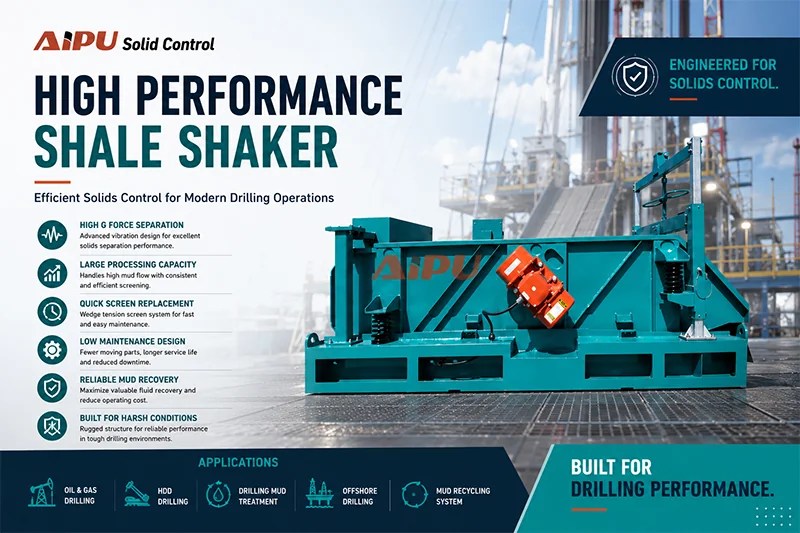
Regular performance checks on your shale shaker equipment are essential for maintaining drilling efficiency and identifying problems before they cause downtime. Aipu Solids Control provides standardized inspection procedures that enable crews to systematically evaluate shaker condition and identify performance degradation early.

Visual Inspection Checklist
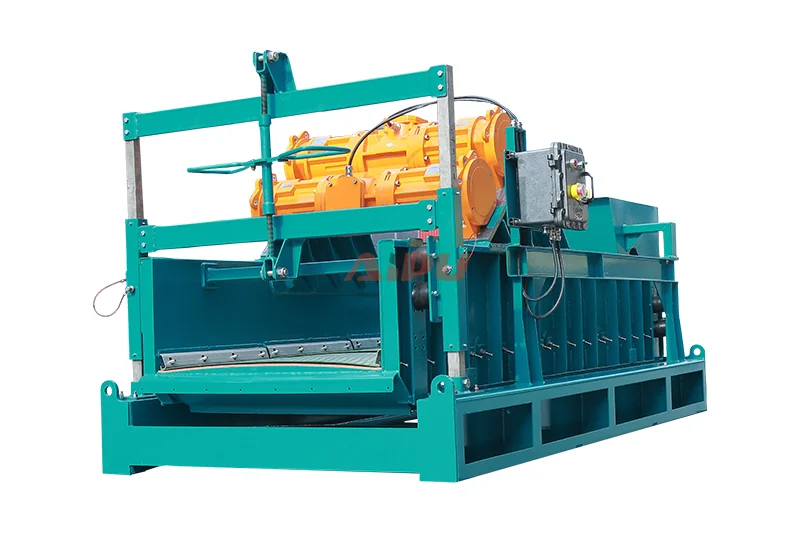
A comprehensive performance check begins with a thorough visual inspection. Examine the basket frame for cracks, particularly around motor mounts and screen bed supports where stress concentrates. Check all fasteners for tightness — vibration can loosen bolts over time even with proper torque application. Inspect the screen panels for holes, tears, or areas of blinding that compromise separation efficiency. Verify that the deck angle is set correctly and that the angle adjustment mechanism operates smoothly. Look for signs of corrosion, especially in splash zones where drilling fluid contact is frequent. Check the isolation springs or mounts for cracking, sagging, or uneven compression that could indicate wear or damage.
Vibration and Mechanical Checks
Vibration performance should be verified using a vibration analyzer or accelerometer. Measure the G-force at multiple points on the basket to confirm uniform vibration distribution. Inconsistent readings between test points may indicate frame cracking, spring problems, or motor imbalance. Motor current draw should be within the manufacturer’s specified range — excessive current may signal bearing problems while low current could indicate a motor not delivering rated output. Listen for unusual noise during operation including grinding, knocking, or squealing that could indicate bearing failure. Motor temperature should be checked after sustained operation; excessive heat suggests lubrication problems or overloading.
Documentation and Trend Analysis
Effective performance monitoring requires consistent documentation. Aipu recommends maintaining a shaker inspection log that records vibration measurements, screen consumption rates, motor temperatures, and observations at regular intervals. Trending this data reveals gradual degradation that might not be apparent from a single inspection — increasing motor temperature, rising screen consumption, or declining G-force readings all indicate developing problems. API Q1 certified manufacturing ensures that Aipu equipment maintains consistent performance over its service life when properly maintained, but condition monitoring remains essential for maximizing uptime. Contact Aipu for detailed inspection procedures and troubleshooting support.
Choose Aipu for API Q1 certified quality. Contact us at info@aipusolidcontrol.com to discuss your shale shaker equipment requirements and discover why drilling professionals worldwide rely on Aipu solids control solutions.
If you are interested in our solid control equipment and systems, you can contact us through info@aipusolidcontrol.com Contact Us
