
Processing high viscosity slurry with a drilling mud shale shaker presents distinct challenges that require specific strategies for maintaining throughput and separation quality. Aipu Solids Control has extensive experience supporting operations processing viscous drilling fluids, polymer-rich slurries, and high-solids mud systems. The following strategies represent best practices developed from over 15 years of equipment manufacturing and field support experience with Hunter series shakers operating worldwide.


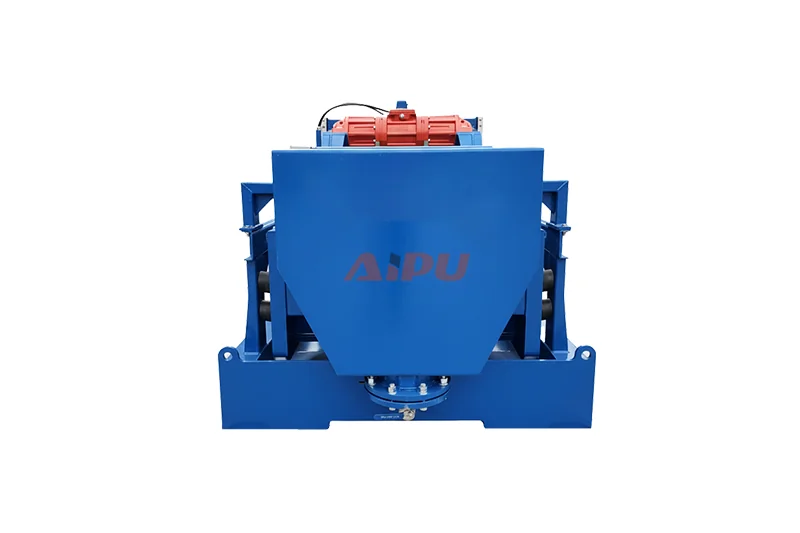
Screen selection is the most critical adjustment for high viscosity applications. High viscosity slows fluid drainage through screen openings, reducing effective throughput and increasing the risk of flooding. The solution is counterintuitive—use coarser screens rather than finer ones. Starting with API 60 to API 100 screen mesh provides adequate open area for viscous fluid to pass while still removing the bulk of coarse solids. Attempting to run fine screens in high-viscosity conditions leads to rapid screen blinding, mud loss over the back of the shaker, and reduced overall solids removal effectiveness. Aipu progressive screen strategy is particularly valuable for viscous applications, with coarser screens at the feed end handling the initial fluid volume and finer screens toward discharge providing final polishing. Aipu stainless steel and composite screen options, both API RP 13C certified, provide the selection range needed for optimizing viscous applications.
Deck angle optimization significantly affects viscous fluid processing. Flatter deck angles in the range of minus 1 degree to plus 1 degree on Aipu adjustable deck systems increase the fluid retention time on the screen surface, providing more time for viscous fluid to drain through the mesh. This is the opposite of the steeper angles typically used for high-volume, low-viscosity applications. The adjustable deck angles from minus 1 degree to plus 5 degrees on Aipu Hunter series shakers give operators the flexibility to flatten the deck for viscous slurries without permanent equipment modification. The high G-force operation at 6.0G to 7.5G remains essential—the aggressive vibration helps overcome the viscous resistance that would otherwise prevent fluid from passing through screen openings. Premium Ital-Vibras, Martin, and Oli motors deliver this sustained high-G vibration reliably through extended viscous processing operations.
Flow management becomes more critical as viscosity increases. Even flow distribution across the full screen width prevents local overloading that causes flooding in viscous applications. Aipu feed system designs, engineered for each Hunter series model, ensure this even distribution. Reducing the flow rate to match the shaker’s diminished viscous capacity may be necessary—operating at 70 to 80 percent of the rated capacity for water-like fluids is a reasonable starting point for viscous applications. If the shaker is capacity-limited, increasing screen area through a model upgrade (single-deck to double-deck Aipu Hunter-MG4D with 5.4 square meters) or adding a second shaker in parallel may be the technical solution. Aipu engineering support can help evaluate the specific viscosity and flow rate requirements of any drilling program and recommend the optimal shaker configuration.
Partner with Aipu for certified quality. Contact us at info@aipusolidcontrol.com to discuss your requirements and discover the Aipu difference in API Q1 certified solids control equipment.
If you are interested in our solid control equipment and systems, you can contact us through info@aipusolidcontrol.com Contact Us
