
Determining which screen type works best in a drilling mud shale shaker requires evaluating application-specific factors rather than selecting a universal best option. Aipu Solids Control manufactures both stainless steel and composite frame screens in the full range of API 40 through API 200 mesh specifications, providing this comparison guide to help operators select the optimal screen type for their specific drilling conditions.
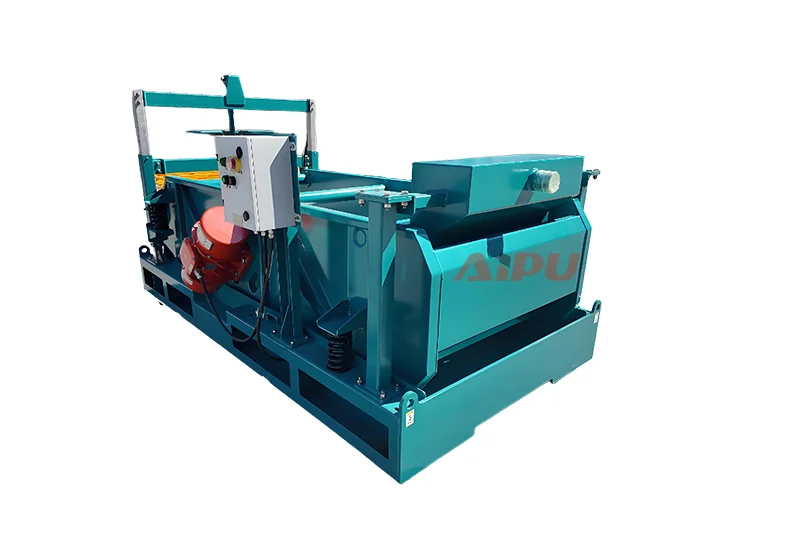

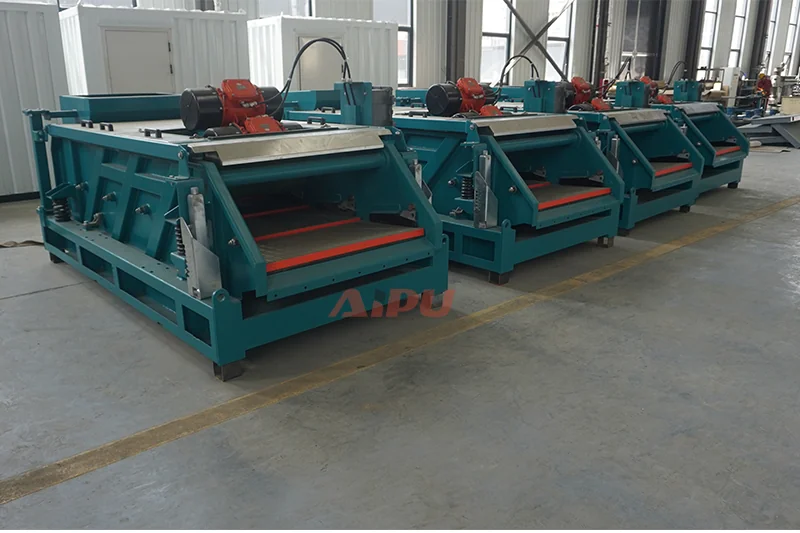
Stainless steel frame screens represent the traditional standard and continue to be the preferred choice for many drilling applications. The steel frame provides excellent rigidity that maintains screen flatness under the high-G vibration of Aipu Hunter series shakers operating at 6.0G to 7.5G. Steel frames withstand the abrasive conditions of hard formations—sandstones, limestones, quartz-rich formations—where the physical wear on the frame from cuttings passage can be significant. The established manufacturing technology means consistent quality and competitive pricing. Steel screens also provide the optimal combination of durability and cost for wells drilled primarily with water-based mud in formations where corrosion is not the primary screen failure mode. Aipu stainless steel screens, manufactured to API RP 13C standards in our API Q1 certified facility, deliver the proven performance that operators have relied on for decades.
Composite frame screens have gained significant market share due to advantages that are particularly relevant for modern drilling operations. The primary advantage is corrosion resistance—composite frames are inherently immune to the rust and degradation that can affect metal frames in aggressive chemical environments. This makes them the superior choice for operations using brine-based mud systems, high-salinity drilling fluids, and offshore operations where salt spray accelerates metal corrosion. Composite frames are approximately 30 percent lighter than equivalent steel frames, making screen changes physically easier for rig crews and reducing repetitive handling injury risk. The lower weight also facilitates stock management on installations where lifting equipment is limited. Some operators report reduced sticking when processing oil-based muds with composite screens, potentially related to the different surface properties of the composite material.
The best screen type depends on the specific application profile. For offshore operations, high-salinity environments, and brine-based mud systems—use composite frames for their corrosion immunity. For highly abrasive formations with water-based mud—stainless steel frames provide the abrasion resistance needed for maximum service life. For mixed operations where conditions vary—maintain an inventory including both types, deploying each where it performs best. For operations where lightweight handling is a priority—composite frames reduce crew fatigue and handling injury risk. Aipu supplies both types with full technical support for application-specific selection, and both types are manufactured to the same API RP 13C standards in Aipu 50,000 square meter Xi’an facility. The Aipu quick-change screen system accepts both frame types interchangeably, giving operators the flexibility to use whichever type performs best for current conditions.
Partner with Aipu for certified quality. Contact us at info@aipusolidcontrol.com to discuss your requirements and discover the Aipu difference in API Q1 certified solids control equipment.
If you are interested in our solid control equipment and systems, you can contact us through info@aipusolidcontrol.com Contact Us
