
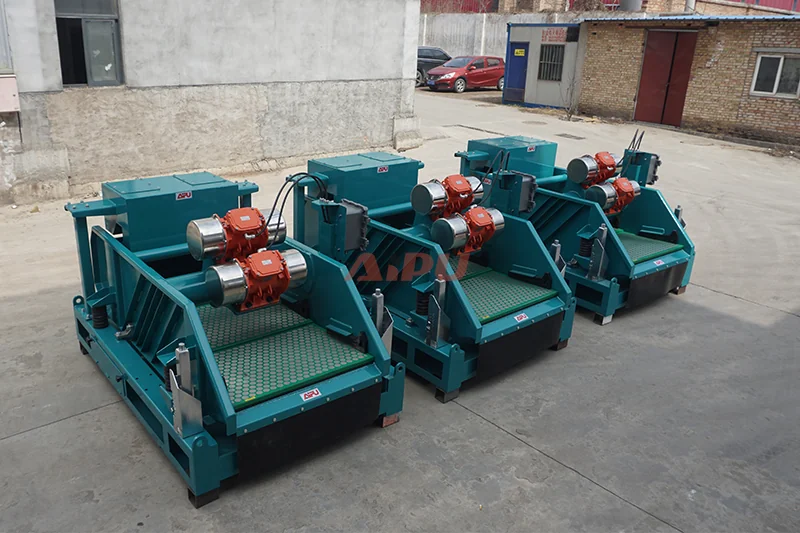


Proper Installation Procedures for Optimal Performance
Correct installation of an API certified shale shaker is essential for achieving the designed performance characteristics and maximizing equipment service life. Aipu Solid Control provides comprehensive installation guidance with every shale shaker delivery, ensuring that drilling contractors can properly integrate the equipment into their solids control system. Following proper installation procedures prevents common issues such as uneven vibration, structural resonance, and premature component wear that can result from incorrect setup.
The installation process begins with foundation preparation. Aipu shale shakers require a level, rigid foundation capable of supporting the equipment operating weight plus the dynamic loads generated during operation. The foundation must be designed to prevent resonant vibration that could amplify the shaker operating forces and cause structural damage. Isolation mounts, either integral to the shaker base or provided as separate components, must be correctly positioned and secured to prevent vibration transmission to the supporting structure.
Operational Setup and Parameter Adjustment
Once installed, proper operational setup ensures that the API certified shale shaker delivers its designed performance. The vibratory motors from Ital-Vibras, Martin, and Oli require correct electrical connection and phase rotation verification to ensure proper motor rotation direction. Incorrect phase rotation can result in the motors working against each other rather than combining their outputs, significantly reducing separation efficiency and potentially causing mechanical damage.
The operating parameters of Aipu shale shakers are designed for straightforward adjustment to match changing drilling conditions. The G-force output, adjustable between 6.0G and 7.5G, is typically set based on the drilling fluid type and desired separation performance. The deck angle adjustment range of -1 degree to +5 degrees provides additional flexibility, with negative angles used for extended fluid retention and positive angles for accelerated cutting discharge during high-rate drilling operations.
Routine Operation and Monitoring Practices
Effective operation of Aipu shale shakers requires regular monitoring and adjustment to maintain optimal performance. Operators should observe the cutting discharge pattern across the screen surface, checking for evidence of uneven distribution or localized screen blinding. The fluid level in the possum belly should remain within the recommended range to prevent overflow while ensuring adequate head for even distribution across the screen width.
Screen condition monitoring is particularly important for maintaining separation efficiency. Torn or damaged screens create bypass paths that allow solids to pass through without separation, immediately degrading drilling fluid quality. Aipu quick-change screen system facilitates rapid screen inspection and replacement when necessary. For detailed guidance on shale shaker installation and operation, consult Aipu comprehensive technical documentation and application engineering support resources.
Partner with Aipu for API Q1 certified quality. Contact us at info@aipusolidcontrol.com for expert guidance on selecting the right shale shaker for your drilling operations worldwide.
If you are interested in our solid control equipment and systems, you can contact us through info@aipusolidcontrol.com Contact Us
