
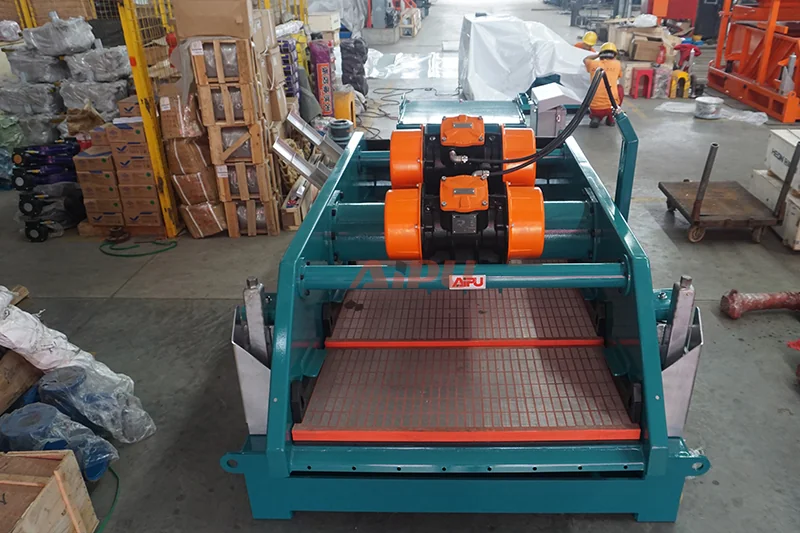
Selecting the right screens for a drilling mud shale shaker is one of the most impactful operational decisions a drilling team makes. Screen selection directly affects separation quality, throughput capacity, screen consumption costs, and ultimately the overall efficiency of the solids control system. Aipu Solids Control provides comprehensive screen selection guidance based on over 15 years of experience supporting drilling operations worldwide with API RP 13C certified screen products.


API RP 13C classification provides the standardized reference for screen selection. Each Aipu screen carries an API number from API 40 through API 200, with higher numbers indicating finer mesh and smaller cut points. The API number is determined through standardized testing that measures both cut point and conductance, providing objective data that operators can compare across manufacturers. Aipu screens are tested according to API RP 13C procedures, and this testing data supports informed screen selection rather than guesswork based on mesh count alone. Conductance data—essentially the fluid-handling capacity of the screen—is equally important as cut point for ensuring adequate throughput.
The formation being drilled is the primary driver of screen selection. Surface hole sections with large cuttings volumes and low concerns about formation damage typically use coarser screens from API 40 to API 80, prioritizing throughput over fine separation. Intermediate sections may progress to API 100 to API 140 as cuttings size decreases and fluid properties become more critical. Production zones where formation protection is paramount demand fine screens from API 140 to API 200, even if throughput must be managed through additional shaker capacity or adjusted operating parameters. Aipu quick-change screen retention system makes it practical to adjust this progressive strategy as drilling proceeds through different hole sections.
Frame material choice between composite and stainless steel depends on application conditions. Composite frames excel in corrosive environments, offshore operations, and situations where lighter weight facilitates crew safety during screen changes. Stainless steel frames provide maximum durability in highly abrasive formations. Aipu supplies both options manufactured in our API Q1 certified facility, with all screens verified to API RP 13C standards. Screen tension and proper installation on precision-machined deck rails are essential—Aipu shakers operating at 6.0G to 7.5G require screens that maintain tension under continuous high-G vibration to achieve rated service life and separation performance.
Partner with Aipu for certified quality. Contact us at info@aipusolidcontrol.com to discuss your requirements and discover the Aipu difference in API Q1 certified solids control equipment.
If you are interested in our solid control equipment and systems, you can contact us through info@aipusolidcontrol.com Contact Us
