
Proper maintenance and care of a high capacity shale shaker is essential for achieving the extended service life and consistent performance that justify the investment in this equipment class. Aipu Solids Control provides comprehensive maintenance guidance based on over 15 years of manufacturing experience and field feedback from equipment operating in more than 30 countries. Following these maintenance practices ensures that high capacity shakers deliver their designed throughput and separation quality throughout their service life.
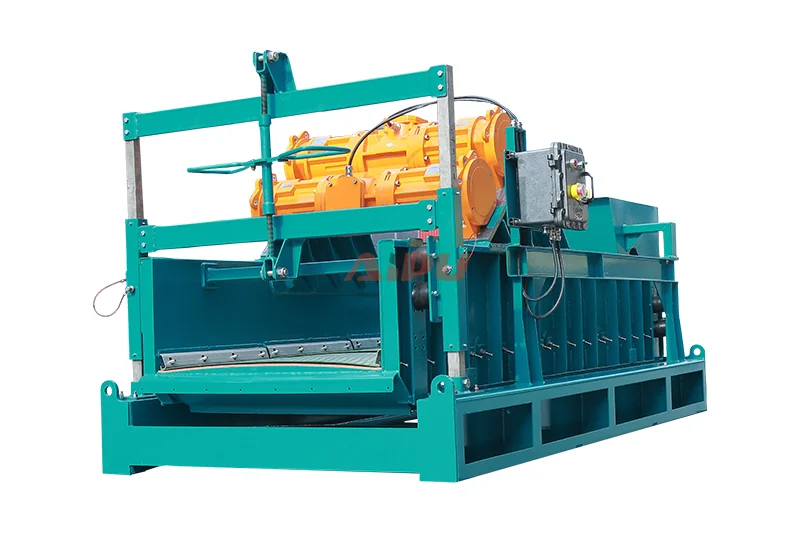

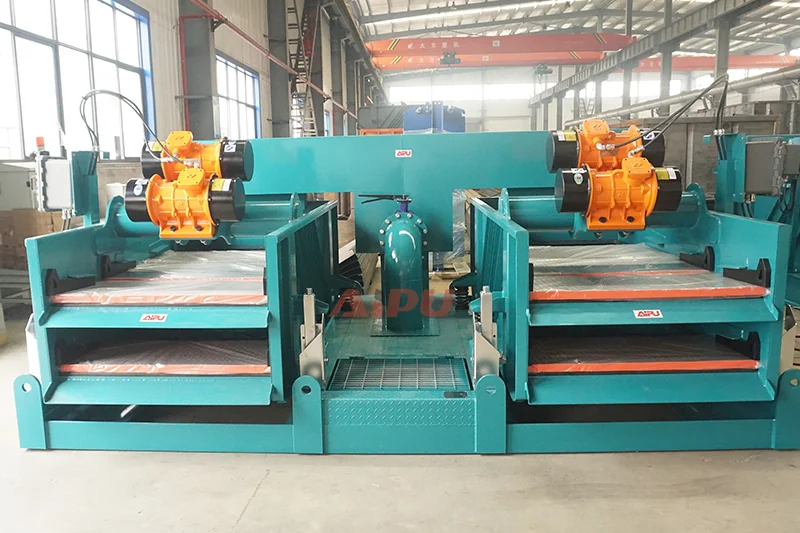
Daily maintenance routines are the foundation of high capacity shaker reliability. Visual inspection of screen panels for wear, damage, or blinding should be performed at the start of each tour, with immediate replacement of any screen showing holes or tears that would allow oversize solids to bypass the shaker. The quick-change screen retention system on Aipu shakers enables rapid inspection and replacement, minimizing the time impact of this essential daily task. Check vibration motor temperature by hand or infrared thermometer—excessive temperature indicates bearing wear, inadequate lubrication, or electrical imbalance that requires investigation. Verify that vibration feels balanced and consistent; changes in vibration pattern or intensity often indicate developing motor or mounting issues. Inspect the basket structure visually for any signs of cracking, particularly at welded joints and motor mounting points. Document all observations in a maintenance log to track trends and predict service requirements.
Scheduled maintenance at manufacturer-recommended intervals addresses components that require planned service. Vibrating motor bearing inspection and lubrication should follow the motor manufacturer’s schedule—typically based on operating hours—with Aipu recommending bearing replacement at specified intervals regardless of apparent condition to prevent unexpected failures. Premium Ital-Vibras, Martin, and Oli motors selected for Aipu shakers are designed for extended service intervals, but the 6.0G to 7.5G operating environment imposes demands that make proactive bearing replacement the most cost-effective strategy. Isolation springs or mounts should be inspected for sag, cracking, or loss of elasticity, and replaced in complete sets to maintain balanced support. Electrical connections should be checked for tightness at motor terminals, junction boxes, and control panels—vibration can loosen connections over time. Deck angle adjustment mechanisms should be lubricated and verified for smooth operation through the full range from minus 1 degree to plus 5 degrees.
Preventive maintenance strategies should consider the specific operating environment. High capacity shakers in abrasive service may require more frequent screen support rail inspection and replacement to maintain proper screen tension. Corrosion resistant configurations with 316L stainless steel components reduce but do not eliminate maintenance requirements in aggressive fluid environments. Offshore installations should have enhanced inspection frequencies due to the higher cost of unplanned downtime. Aipu provides comprehensive maintenance manuals with checklists, schedules, and spare parts recommendations for each model, and our technical support team can assist with maintenance planning and troubleshooting. Manufactured in Aipu’s 50,000 square meter Xi’an facility under API Q1 certified quality management, every high capacity shaker is built for reliable service when supported by proper maintenance. Contact Aipu for detailed maintenance recommendations specific to your operating conditions.
Partner with Aipu for certified quality. Contact us at info@aipusolidcontrol.com to discuss your requirements and discover the Aipu difference in API Q1 certified solids control equipment.
If you are interested in our solid control equipment and systems, you can contact us through info@aipusolidcontrol.com Contact Us
