
Choosing the right shale shaker equipment involves evaluating multiple factors to match the equipment to your specific drilling requirements. Aipu Solids Control provides this selection guidance based on experience supplying shakers to diverse drilling operations worldwide.

Define Processing Capacity Requirements
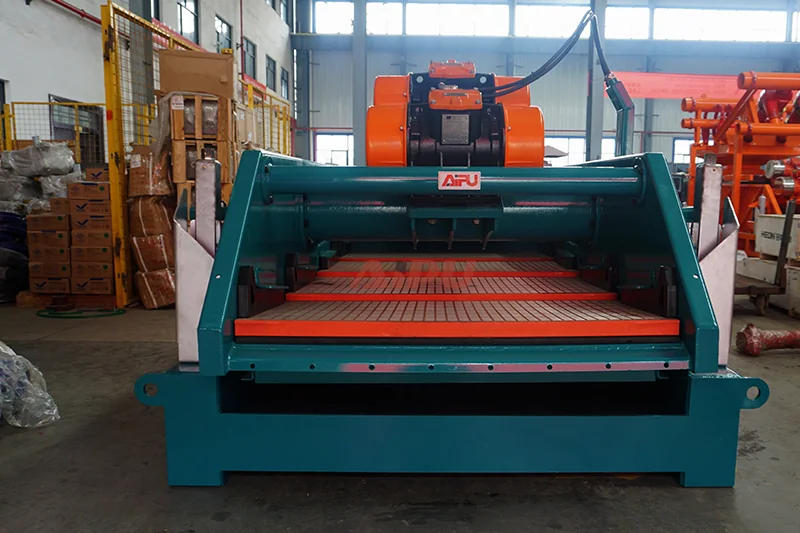
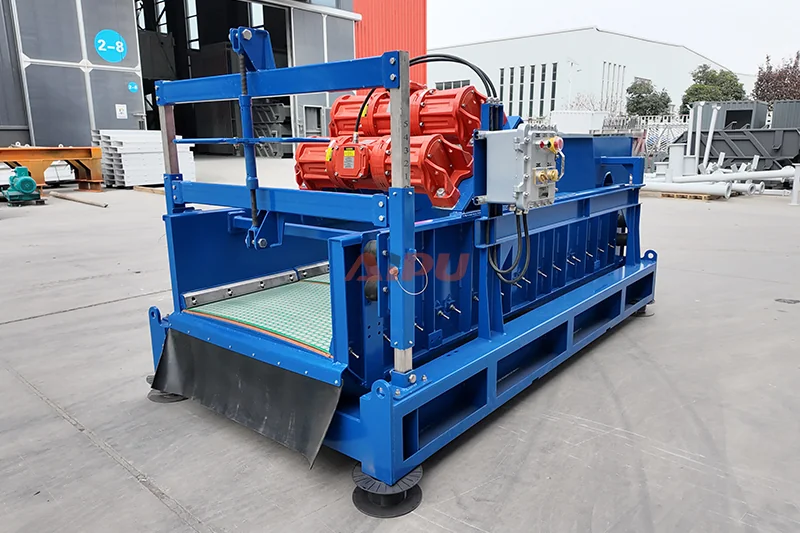
Start by determining the maximum circulating flow rate for your drilling program. This depends on pump capacity, hole size, and drilling plan. Add a margin of 25 to 50 percent above the calculated maximum to account for peak flow conditions and provide operational flexibility. Compare this required capacity to Aipu model specifications: Hunter-Mini at 50 cubic meters per hour, Hunter-MG3 at 120, Hunter-MG4 at 180, Hunter-MG5 at 240, and tandem Hunter-MG4T at 420. Select the model whose rated capacity comfortably exceeds your maximum flow rate. Undersized shakers force compromises that degrade performance; oversized shakers waste capital. The right fit matters.
Match Vibration Technology to Drilling Conditions
Consider the formations and mud types you typically encounter. Linear motion shakers like the Hunter-MG series work well for hard formations with water-based mud, providing aggressive, straight-line solids conveyance. Elliptical motion benefits sticky shales and oil-based mud, where the rolling action helps prevent screen blinding. The Hunter-MGD dual-motion shaker provides both options in a single unit, allowing operators to switch between linear and elliptical motion without equipment changes. For operations that drill diverse formations, dual-motion capability provides valuable flexibility.
Evaluate Screen Specifications and Support
Screen selection and availability directly affect ongoing operating costs. Verify that the screen retention system allows quick changes without specialized tools. Confirm the availability of screens in the full range of mesh specifications you will need throughout the well program. Consider frame material options: stainless steel for maximum abrasive durability, composite for corrosion resistance and lighter weight. Aipu provides API-certified screens in all common specifications with both frame materials.
Verify Manufacturer Credentials
Confirm API Q1 certification through the API Composite List. Check for additional certifications including ISO 9001, ISO 14001, and ISO 45001. Evaluate manufacturing facility capability—Aipu 50,000 square meter facility includes CNC machining, automated welding, and in-house testing. Request customer references from operations similar to yours. Visit the factory or request comprehensive documentation. Manufacturer quality directly determines equipment reliability and the support you receive throughout the equipment lifecycle. Aipu welcomes customer verification of our capabilities.
Partner with Aipu for certified quality. Contact us at info@aipusolidcontrol.com to discuss your requirements and discover the Aipu difference in API Q1 certified solids control equipment.
If you are interested in our solid control equipment and systems, you can contact us through info@aipusolidcontrol.com Contact Us
