
Understanding the differences between linear motion and circular motion shale shaker designs is essential for selecting the right equipment for specific drilling conditions. Aipu Solids Control manufactures both types but generally recommends linear motion for most modern drilling applications.

Vibration Mechanics Compared
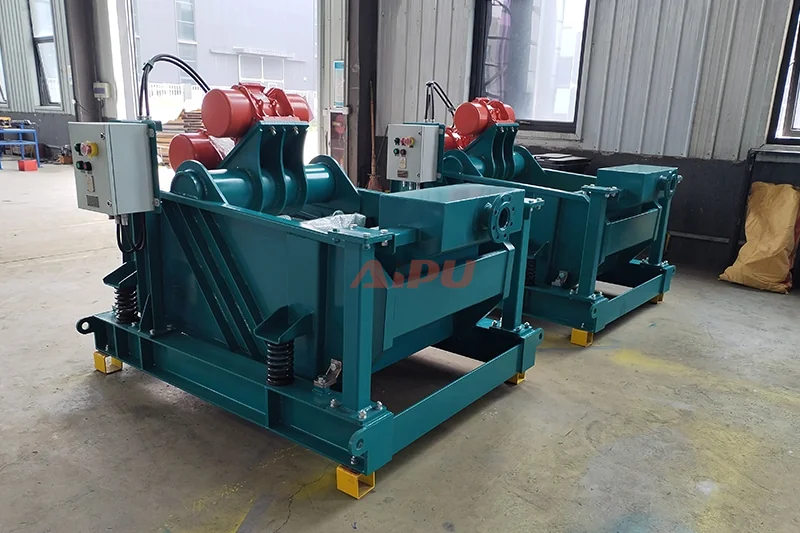
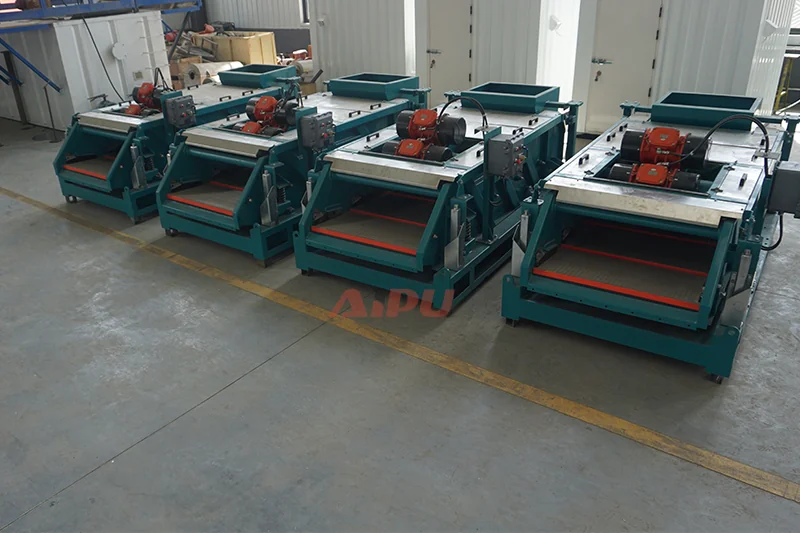
Linear motion shakers use two counter-rotating vibrating motors positioned to produce a straight-line vibration path at approximately 45 degrees to the screen deck. This creates a throwing motion that lifts cuttings from the screen surface and conveys them forward toward the discharge end. Circular motion shakers use a single motor or unbalanced rotating mass producing an orbital vibration pattern that creates a rolling motion, tumbling cuttings along the screen surface. Aipu linear shakers, with their premium Ital-Vibras and Martin motors operating at 6.0G to 7.5G, deliver more aggressive solids conveyance and better dewatering than circular designs typically limited to 4.0G to 5.5G.
Solids Conveyance Efficiency
The straight-line throwing action of linear motion conveys cuttings more efficiently than the tumbling action of circular motion. This efficiency advantage becomes more pronounced with heavier solids loading, where circular shakers can experience solids accumulation. Aipu linear shakers maintain consistent conveyance velocity regardless of solids loading, ensuring that cuttings move steadily across the screen deck without building up. For high-rate drilling generating substantial cuttings volume, this conveyance reliability is essential for maintaining separation effectiveness.
Fluid Handling and Cuttings Dryness
Linear motion produces significantly drier cuttings than circular motion because the throwing action creates momentary separation between cuttings and screen, allowing trapped fluid to drain. Circular motion, by rolling cuttings along the surface, tends to trap fluid within the cuttings mass. For operations using expensive oil-based or synthetic-based mud, the fluid recovery advantage of linear motion translates to significant cost savings. Aipu linear shakers consistently demonstrate lower fluid-on-cuttings percentages than circular alternatives in comparable applications.
Screen Wear Patterns
Circular motion tends to produce localized high-wear zones, particularly at the feed end where vibration amplitude is highest. Linear motion, with its uniform vibration distribution across the screen deck, promotes even screen wear. Aipu precision deck rails and balanced vibration design further enhance this even-wear characteristic, extending screen life and reducing the largest ongoing consumable cost.
Partner with Aipu for certified quality. Contact us at info@aipusolidcontrol.com to discuss your requirements and discover the Aipu difference in API Q1 certified solids control equipment.
If you are interested in our solid control equipment and systems, you can contact us through info@aipusolidcontrol.com Contact Us
