

Screen Maintenance as a Critical Performance Factor
Shale shaker screens represent the primary wear component in solids control equipment and their condition directly determines separation efficiency. Proper maintenance of screens on an API certified shale shaker from Aipu Solid Control extends screen service life, maintains consistent separation performance, and prevents the drilling fluid quality degradation that occurs when damaged screens allow solids bypass. Implementing a structured screen maintenance program is one of the most cost-effective actions drilling contractors can take to optimize their solids control operations.
Screen damage occurs through multiple mechanisms including mechanical wear from abrasive cuttings, fatigue failure from cyclic vibration loading, and impact damage from foreign objects in the drilling fluid returns. Understanding these failure mechanisms allows maintenance personnel to implement preventive measures that address each type of damage. Regular inspection protocols that identify early signs of screen wear enable replacement before complete failure occurs, preventing the period of degraded performance that follows screen failure.
Inspection Procedures and Damage Identification
Effective screen inspection begins with a systematic visual examination performed at regular intervals during drilling operations. Inspectors should look for signs of screen wear including thinning of screen wires, localized areas of excessive wear, and tears or holes that create solids bypass paths. The inspection should cover the entire screen surface, with particular attention to areas near the screen edges where tensioning forces concentrate and the central flow area where the majority of solids loading occurs.
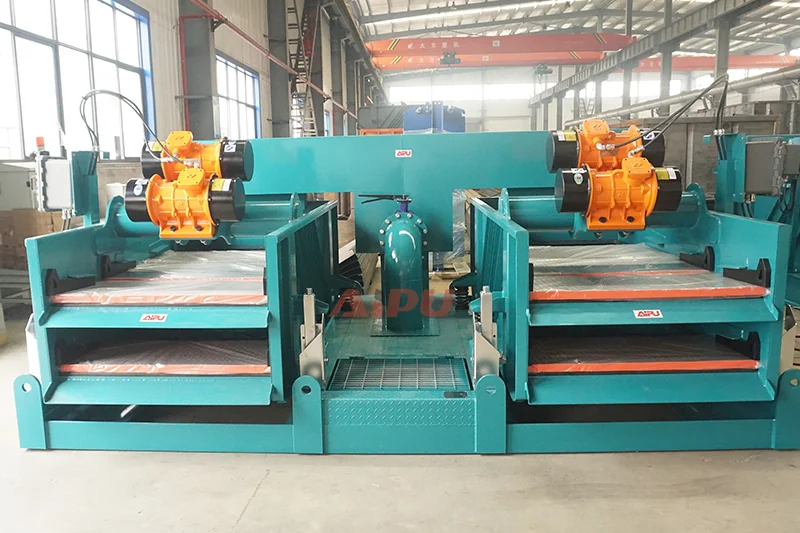
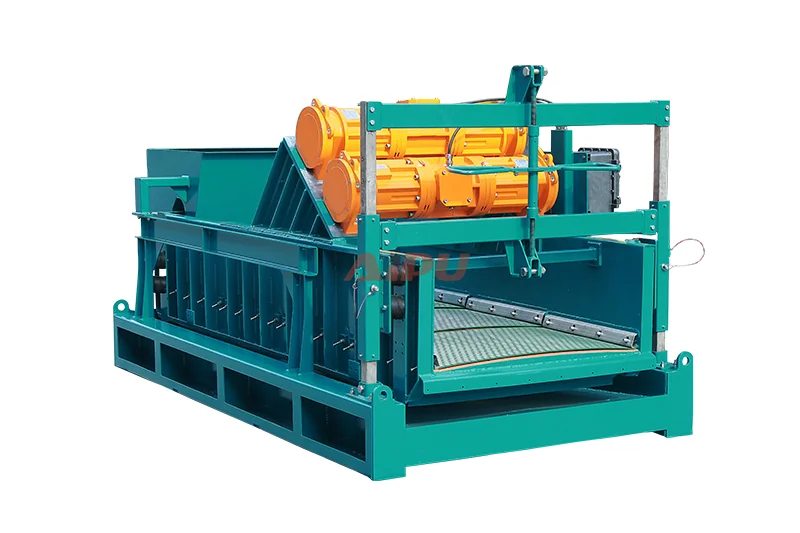
Aipu quick-change screen tensioning system facilitates efficient screen inspection and replacement. The wedge-block tensioning mechanism provides consistent tension across the screen surface while allowing rapid screen removal when replacement is required. Proper tensioning during screen installation is essential; under-tensioned screens experience accelerated fatigue failure and reduced separation efficiency, while over-tensioned screens are susceptible to cracking near the tensioning points.
Screen Cleaning and Storage Practices
Between uses, screens require proper cleaning and storage to maintain their condition. Drilling fluid residues left on screens can harden and block screen openings, reducing effective screening area when the screens are returned to service. High-pressure water washing is the preferred cleaning method, with careful attention to avoid directing the spray at angles that could damage screen wires. Cleaned screens should be dried before storage to prevent corrosion of screen wires and support frames.
Screen storage should be in a dry, protected environment away from direct sunlight and sources of mechanical damage. Screens should be stored flat or supported along their entire length to prevent warping that could compromise tensioning during subsequent installation. Maintaining an adequate inventory of replacement screens ensures that necessary replacements can be made without operational delays. For detailed guidance on shale shaker screen maintenance, consult Aipu technical documentation and parts support services.
Partner with Aipu for API Q1 certified quality. Contact us at info@aipusolidcontrol.com for expert guidance on selecting the right shale shaker for your drilling operations worldwide.
If you are interested in our solid control equipment and systems, you can contact us through info@aipusolidcontrol.com Contact Us
