
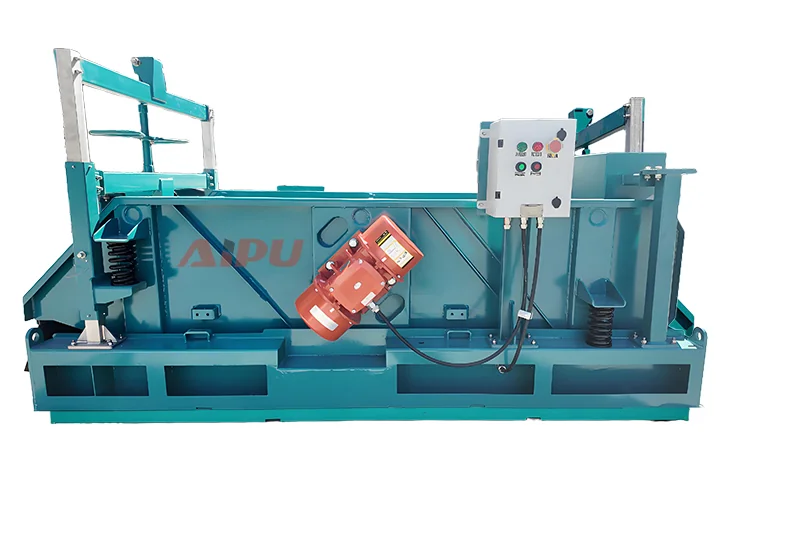
Screen selection directly determines the performance of an oilfield shale shaker. Choosing the optimal screens for each drilling phase maximizes solids removal efficiency while maintaining adequate throughput. Aipu Solids Control provides this comprehensive screen selection guide based on extensive field experience.


Understanding API Screen Designation
AIPU screens are classified by API RP 13C standards, with mesh numbers indicating openings per linear inch. Lower numbers represent coarser screens suitable for surface hole drilling where high throughput takes priority over fine separation. Higher numbers provide finer separation for production zones where formation protection is critical. Aipu offers screens from API 40 (coarse) to API 200 (fine), covering the full range of drilling requirements.
Progressive Screen Strategy
A systematic approach to screen selection improves overall solids control performance. Surface hole sections typically use 40 to 60 mesh screens where cutting size is large and maximum throughput is needed. Intermediate sections transition to 80 to 120 mesh as cuttings become smaller and fluid properties become more critical. Production zones use 150 to 200 mesh screens for maximum solids removal and formation protection. Aipu quick-change screen design makes progressive screen changes practical during drilling operations.
Frame Material Considerations
Aipu offers stainless steel frames for maximum durability in abrasive formations and heavy-duty applications. Composite frames provide lighter weight, excellent corrosion resistance, and reduced sticking with oil-based muds. The choice depends on formation characteristics, mud type, and operational priorities. For operations drilling highly abrasive sandstone or chert formations, stainless steel frames typically provide better service life despite higher initial cost.
Screen Performance Metrics
Beyond mesh size, screen performance depends on open area (determining throughput capacity), cut point (the particle size retained, verified by API RP 13C testing), and conductance (measuring fluid flow through the screen). Aipu provides these performance data for all screen specifications, enabling informed selection based on actual drilling conditions rather than trial and error.
Screen Maintenance Best Practices
Regular inspection for tears, holes, and wear extends screen life and maintains separation quality. Rotating panels from feed end to discharge end distributes wear evenly. Prompt cleaning of blinded screens using appropriate methods prevents throughput reduction. Maintaining adequate spare inventory on location prevents operational delays when screen changes are needed.
Partner with Aipu for certified quality. Contact us at info@aipusolidcontrol.com to discuss your requirements and discover the Aipu difference in API Q1 certified solids control equipment.
If you are interested in our solid control equipment and systems, you can contact us through info@aipusolidcontrol.com Contact Us
