
Operating a shale shaker safely requires attention to mechanical, electrical, and environmental hazards. While modern shakers like those manufactured by Aipu incorporate numerous safety features, safe operation ultimately depends on informed, attentive personnel following established procedures.
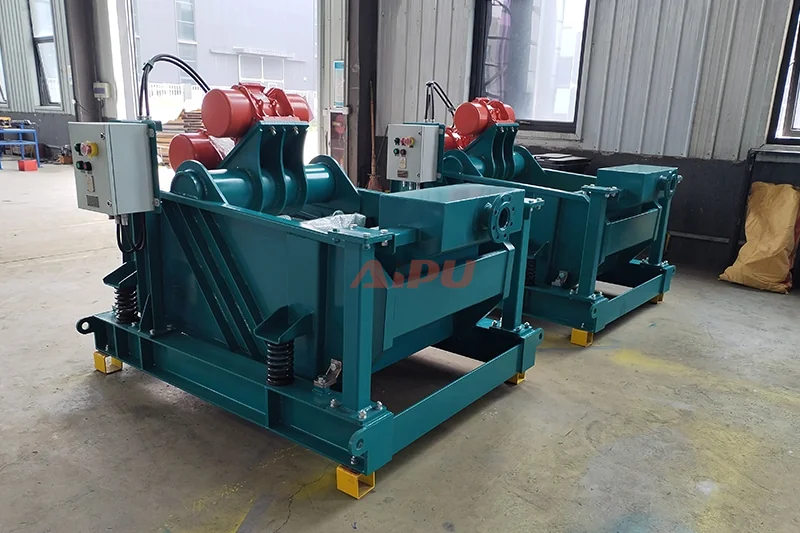


Mechanical Safety: Guards and Moving Parts
The vibrating screen deck and rotating motor components present the most immediate mechanical hazards on a shale shaker. Aipu shakers are equipped with guards covering all exposed rotating shafts, belt drives, and coupling areas. These guards must remain in place during operation. Never reach into or near the vibrating deck while the shaker is running. Screen changes and maintenance should only be performed with the equipment fully shut down and locked out. The emergency stop button should be clearly marked and tested regularly as part of the pre-start inspection routine.
Electrical Safety in Wet Environments
Shale shakers operate in wet, conductive environments where electrical hazards are amplified. All Aipu electrical systems are designed with appropriate ingress protection ratings for the operating environment, and explosion-proof enclosures are provided for hazardous area installations. Regularly inspect power cables for cuts, abrasions, or exposed conductors, particularly in high-traffic areas near the rig floor. Ensure that ground connections are intact and that ground fault protection devices are functional. Never bypass or disable electrical safety devices. In the event of any electrical fault, shut down the equipment and have it inspected by qualified personnel before restarting.
Noise and Vibration Exposure
Shale shakers generate significant noise and vibration during operation. Prolonged exposure without appropriate hearing protection can cause permanent hearing damage. Personnel working near operating shakers should wear hearing protection rated for the measured noise levels. Aipu shakers are designed to operate within acceptable vibration emission limits, but operators should still minimize unnecessary close proximity to the vibrating deck area. Regular monitoring of noise levels and vibration exposure helps ensure compliance with occupational health regulations.
Chemical and Fluid Hazards
The drilling fluid and cuttings processed by the shale shaker may contain hazardous chemicals, including oil-based mud components, formation fluids such as hydrogen sulfide, and chemical additives. Personnel should wear appropriate personal protective equipment including chemical-resistant gloves, safety glasses, and protective clothing when handling screens, cleaning the shaker, or working near the cuttings discharge. Be aware of the potential for H2S accumulation in enclosed or poorly ventilated areas near the shaker, and ensure that gas detection systems are operational.
Slip, Trip, and Fall Prevention
The area around a shale shaker is frequently wet and may be slippery due to mud spills or leaks. Maintain good housekeeping around the shaker, cleaning up spills promptly. Ensure that walkways and access platforms have adequate non-slip surfaces and guardrails. Aipu shakers are designed with integrated drip trays and splash guards to contain fluids and minimize spills, but operators should remain vigilant about wet surface conditions in the work area.
Lockout and Tagout Procedures
All maintenance, repair, and cleaning activities that require access to moving parts, electrical systems, or confined spaces within the shaker must follow formal lockout and tagout procedures. Aipu provides clear lockout points and documentation to support safe maintenance practices. Train all personnel in the specific lockout procedures for the shaker models in use, and never attempt to bypass or shortcut safety procedures to save time.
Ready to improve your solids control? Contact Aipu at info@aipusolidcontrol.com for expert guidance on selecting and configuring the right shale shaker for your drilling program.
If you are interested in our solid control equipment and systems, you can contact us through info@aipusolidcontrol.com Contact Us
