
Proper installation of shale shaker equipment establishes the foundation for reliable operation, effective solids control, and extended service life. Aipu Solids Control provides this installation guide based on best practices developed through equipment installations worldwide.


Site Preparation and Foundation Requirements
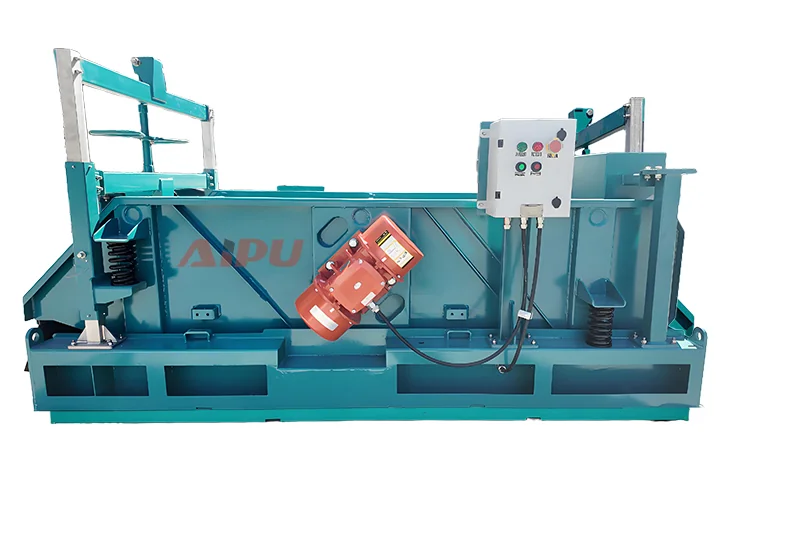
Begin installation with proper site preparation. The shaker support structure must be level and capable of supporting the equipment’s static and dynamic loads. Aipu provides foundation load specifications in equipment documentation. Verify that the support structure provides adequate stiffness—flexible supports can absorb vibration energy and reduce separation effectiveness. Ensure sufficient clearance around the shaker for operation, maintenance access, and screen changes. Plan routing for electrical supply, fluid inlet, and fluid returns before positioning the equipment.
Positioning and Securing
Position the shaker using designated lifting points only—Aipu identifies these points clearly in documentation and on the equipment. Verify alignment with upstream and downstream equipment for proper fluid flow. Level the shaker using calibrated levels on designated reference surfaces. Secure the shaker to its support structure using specified fasteners and torque values. Vibration isolation mounts must be correctly installed to function as designed—pre-compressed or misaligned mounts compromise vibration isolation.
Electrical Installation
Electrical installation must be performed by qualified personnel in accordance with local codes and regulations. Verify supply voltage and phase configuration match motor requirements. Size supply cables for motor full-load current plus starting surge. Install appropriate circuit protection. Verify correct phase rotation before connecting motors—reversed rotation causes immediate damage. Test all safety interlocks and emergency stop functions before placing equipment in service.
Fluid System Connections
Connect fluid inlet piping with appropriate supports to prevent loads on the shaker structure. Install flexible connections where relative movement occurs between piping and shaker. Verify that fluid distribution systems are correctly oriented for uniform flow across screens. Route fluid returns to provide adequate drainage without creating backpressure. Test fluid systems with water before introducing drilling fluid to identify and correct any leaks or flow issues.
Partner with Aipu for certified quality. Contact us at info@aipusolidcontrol.com to discuss your requirements and discover the Aipu difference in API Q1 certified solids control equipment.
If you are interested in our solid control equipment and systems, you can contact us through info@aipusolidcontrol.com Contact Us
